
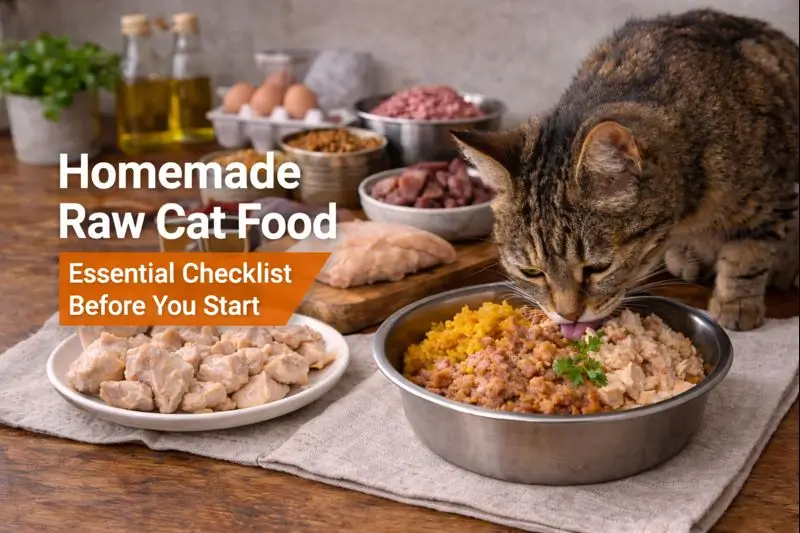
4 Essential Items for Preparing Healthy Raw Cat Food at Home
As a cat nutrition specialist who has spent over a decade helping pet parents navigate the complex world of feline diets, I’ve witnessed a remarkable shift in how we approach feeding our beloved companions. Raw cat food has emerged as one of the most discussed topics in my consultations, and for good reason. Cat owners are increasingly seeking ways to provide their furry friends with nutrition that mirrors what nature intended.
Table of Contents
When I first began exploring raw feeding options for cats, I encountered both passionate advocates and concerned skeptics. Through years of research, hands-on experience, and countless conversations with veterinarians and fellow nutrition experts, I’ve developed a comprehensive understanding of what makes homemade raw diets both beneficial and safe. This guide will walk you through the four essential checklist items you absolutely must consider before embarking on this nutritional journey with your cat.
What Is Raw Cat Food?
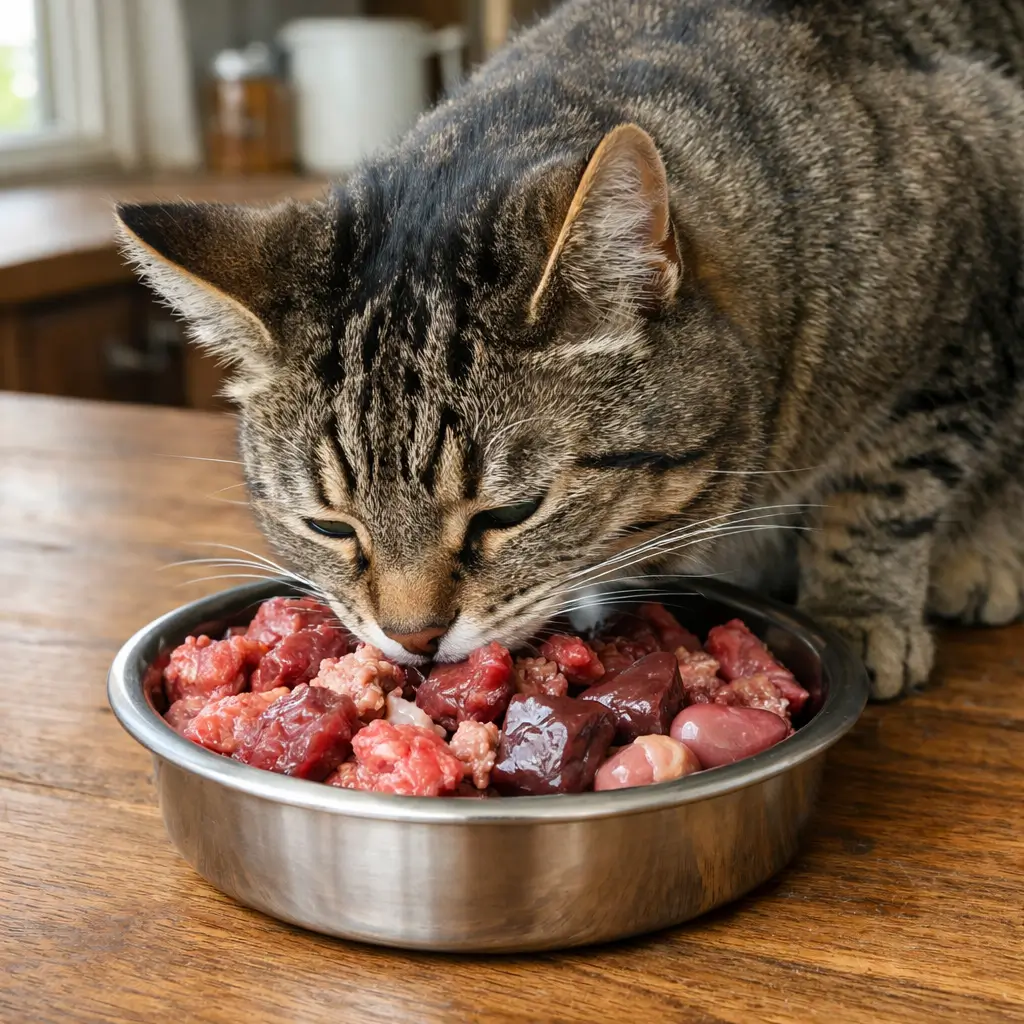
Raw cat food is an uncooked diet consisting primarily of raw meat, organs, and bones designed to replicate the natural prey-based nutrition that cats would consume in the wild. This feeding approach aims to provide cats with biologically appropriate nutrients in their most natural, unprocessed form, supporting optimal digestion, coat health, and overall vitality.
The philosophy behind raw feeding stems from understanding cats as obligate carnivores. Unlike dogs or humans, cats have evolved to derive their essential nutrients almost exclusively from animal tissue. Their digestive systems are shorter, more acidic, and specifically designed to process raw proteins efficiently. This biological reality forms the foundation of the raw feeding movement.
Why Choose Homemade Raw Cat Food Over Commercial Options?
Many cat parents ask me why they should consider making raw food at home when commercial options exist. The answer lies in control, quality, and customization.
When you prepare your cat’s meals yourself, you know exactly what goes into every bite. You select the protein sources, you control the freshness, and you can tailor recipes to your cat’s specific needs and preferences. I’ve worked with countless cats who thrived after switching from commercial diets to thoughtfully prepared homemade raw meals.
Commercial raw foods certainly have their place, and many reputable brands offer excellent products. However, homemade preparation allows you to source local, high-quality ingredients, avoid preservatives or additives your cat might not tolerate, and adjust recipes as your cat’s needs change over age or health status.
That said, homemade raw feeding comes with significant responsibility. Without proper knowledge and preparation, you risk nutritional imbalances or contamination issues that could harm your cat. This is precisely why following a comprehensive checklist is non-negotiable.
Checklist Item #1: Understanding Complete and Balanced Nutrition
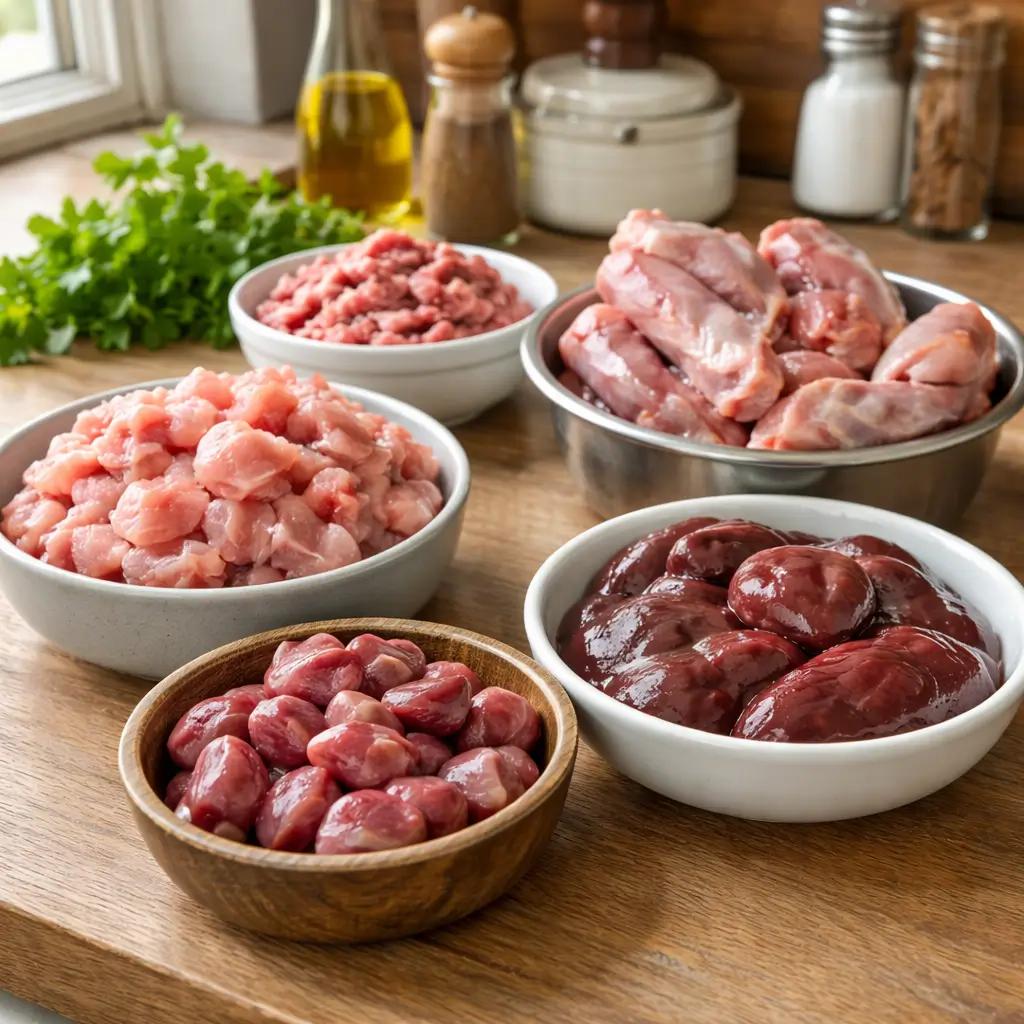
The most critical aspect of preparing homemade raw cat food is ensuring nutritional completeness. A diet that looks healthy to our human eyes may lack essential nutrients cats desperately need.
The Building Blocks of Feline Nutrition
Cats require specific nutrients that they cannot synthesize on their own. Taurine stands at the top of this list. This amino acid is crucial for heart function, vision, reproduction, and immune health. Unlike dogs, cats cannot produce taurine from other amino acids, making dietary intake absolutely essential. Taurine deficiency can lead to dilated cardiomyopathy, retinal degeneration, and reproductive failure.
Arachidonic acid, an omega-6 fatty acid, represents another nutrient cats must obtain from animal sources. This fatty acid supports skin health, kidney function, and reproductive processes. Plant-based diets simply cannot provide this nutrient in a form cats can utilize.
Vitamin A is equally important. While humans and dogs can convert beta-carotene from plants into vitamin A, cats lack this ability entirely. They require preformed vitamin A from animal tissues, particularly liver.
The Dangers of Imbalanced Recipes
I’ve seen well-intentioned cat owners create recipes that inadvertently cause harm. One common mistake involves feeding muscle meat exclusively. While chicken breast or beef might seem like quality protein, muscle meat alone lacks the calcium, vitamins, and trace minerals found in a complete prey animal.
Another frequent error is over-supplementing. Adding excessive vitamin A through too much liver, for instance, can cause hypervitaminosis A, leading to bone abnormalities and joint pain. Balance requires precision.
Working with Professionals
Before starting any homemade raw diet, I strongly recommend consulting with a veterinary nutritionist. These specialists can formulate recipes tailored to your cat’s age, weight, activity level, and health status. They can also guide you on appropriate supplements to ensure completeness.
Several online services now offer personalized recipe formulation, making professional guidance more accessible than ever. The investment in professional consultation is minimal compared to the potential veterinary costs of treating nutritional deficiencies.
Checklist Item #2: Protein Selection and Safety Protocols
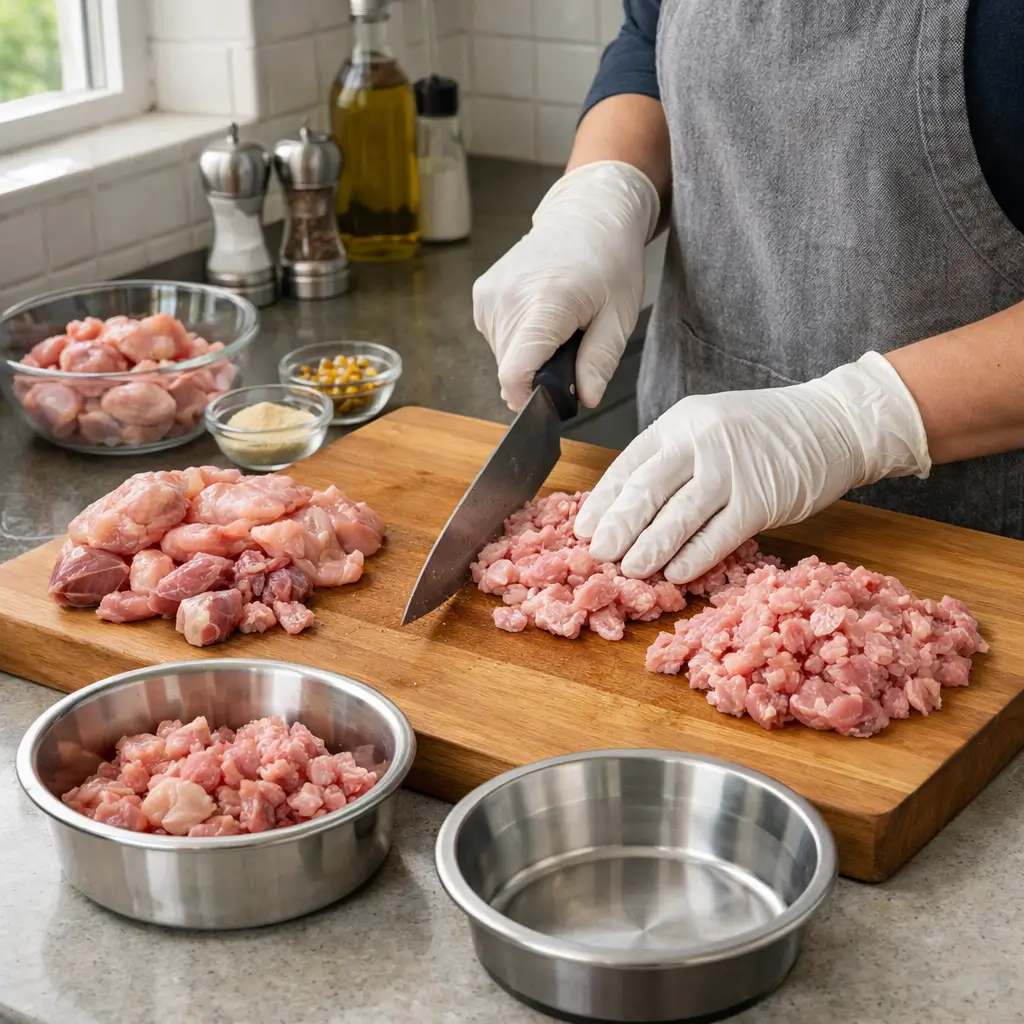
Protein forms the cornerstone of any raw cat food recipe, but not all proteins are created equal, and safe handling is paramount.
Choosing Appropriate Protein Sources
When I help cat owners select proteins for their raw feeding journey, I emphasize variety and quality. Different protein sources offer different nutrient profiles, and rotating proteins helps ensure broader nutritional coverage while reducing the risk of developing food sensitivities.
Poultry remains the most popular choice for raw feeders. Chicken and turkey are readily available, affordable, and generally well-tolerated by most cats. They provide excellent protein content and, when including bones, offer appropriate calcium levels.
Rabbit closely mimics the natural prey cats would hunt in the wild. It offers a complete nutritional profile and is particularly useful for cats with sensitivities to more common proteins.
Game meats such as venison, duck, or quail provide novel protein options that can benefit cats with allergies or those who simply enjoy variety.
Important Note: Chicken and fish are common allergens for some cats. If your cat shows signs of food intolerance such as itching, digestive upset, or ear infections, consider elimination diets to identify problematic proteins.
Organ Meat Inclusion
Organs are nutritional powerhouses that must be included in balanced raw diets. Liver provides vitamin A, B vitamins, and iron. Kidney offers B12 and selenium. Heart, technically a muscle meat, supplies taurine in concentrated amounts.
A general guideline suggests organ meats should comprise approximately ten to fifteen percent of the total diet, with liver making up about five percent. However, these ratios should be confirmed with a veterinary nutritionist based on your specific recipe.
Safe Handling Practices
Raw meat carries inherent bacterial risks. Salmonella, E. coli, and Listeria can all contaminate raw proteins. While cats’ digestive systems handle these pathogens better than humans, risks remain both for your cat and your household.
Sourcing matters tremendously. Purchase proteins from reputable suppliers, preferably those who follow strict handling protocols. Human-grade meats from quality butchers or grocery stores are generally safer than products of unknown origin.
Freezing protocols can reduce parasitic risks. Freezing meat at minus four degrees Fahrenheit for at least seventy-two hours kills many parasites, though it doesn’t eliminate bacteria.
Kitchen hygiene cannot be overemphasized. Use separate cutting boards and utensils for raw cat food preparation. Sanitize surfaces thoroughly after preparation. Wash your hands frequently and avoid touching your face during handling.
Storage and serving require attention as well. Prepared raw food should be frozen in portion sizes and thawed in the refrigerator, not at room temperature. Serve meals in clean bowls and remove uneaten food within thirty minutes to prevent bacterial growth.
Checklist Item #3: Bone Content and Calcium Balance
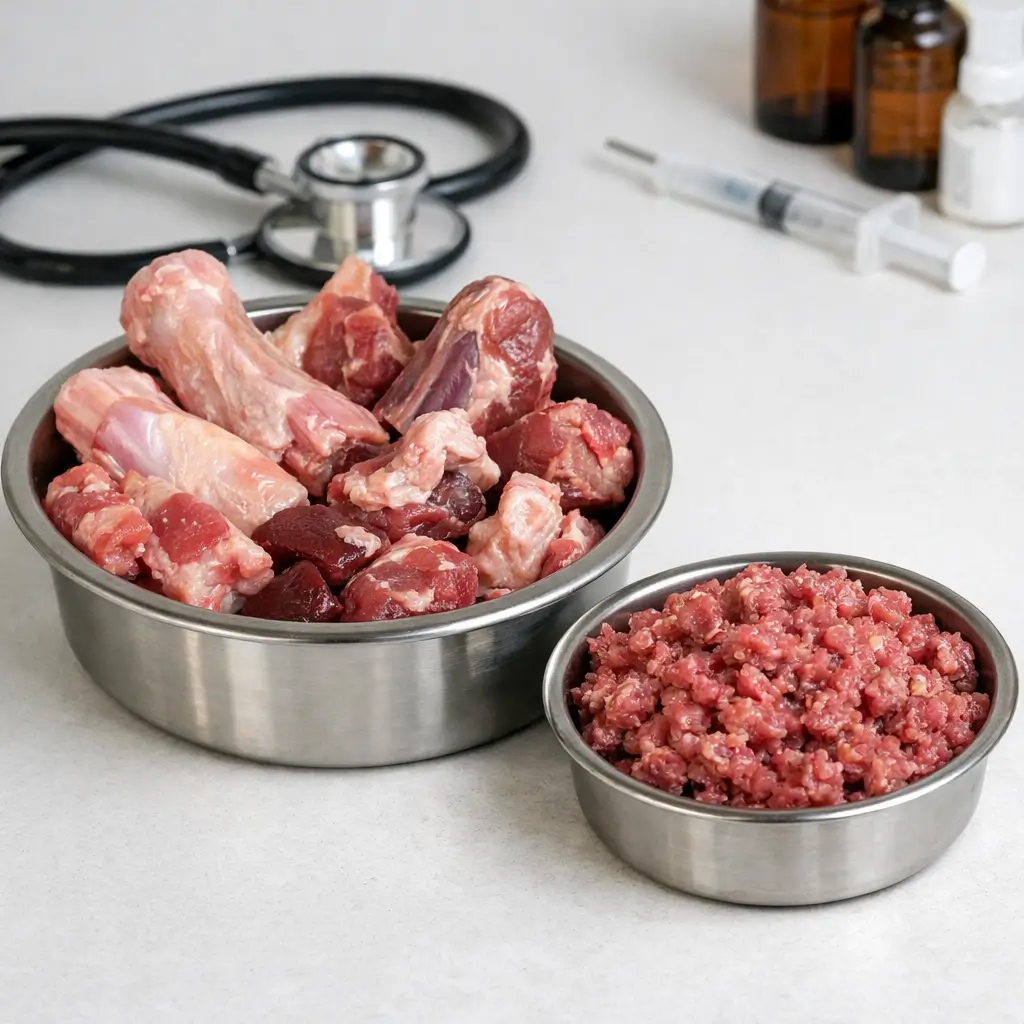
Bones represent one of the trickiest elements of raw feeding to master, yet they’re essential for providing calcium and phosphorus in appropriate ratios.
Why Bones Matter
In nature, cats consume their prey whole, including bones. These bones provide calcium necessary for skeletal health, muscle function, nerve transmission, and blood clotting. The calcium-to-phosphorus ratio in prey animals naturally falls around 1.1 to 1.3 parts calcium to 1 part phosphorus, which is ideal for feline health.
Muscle meat is high in phosphorus but low in calcium. Feeding meat without adequate bone or calcium supplementation creates dangerous imbalances that can lead to secondary nutritional hyperparathyroidism, a condition where the body leaches calcium from bones to maintain blood calcium levels.
Bone Options for Raw Feeding
Raw meaty bones such as chicken necks, wings, and backs provide both calcium and mental enrichment through chewing. However, bones must always be raw, never cooked. Cooking changes bone structure, making them brittle and prone to splintering, which can cause life-threatening internal injuries.
Ground bones offer an alternative for cats who cannot or will not chew whole bones. Many raw feeding suppliers offer pre-ground products that include appropriate bone content. You can also grind bones at home using specialized meat grinders designed to handle bones.
Bone meal supplements can replace whole bones when necessary, though they’re generally considered less ideal than whole food sources.
Understanding Individual Needs
Some cats take to chewing bones naturally, while others show no interest. Senior cats or those with dental issues may struggle with whole bones entirely. In these cases, ground bone or supplementation becomes necessary.
Warning: High protein diets can be dangerous for cats with chronic kidney disease. If your cat has been diagnosed with kidney issues, consult your veterinarian before implementing any raw feeding program, as modifications may be necessary.
Monitoring your cat’s stool quality helps assess bone content appropriateness. Stools that are too hard, white, or chalky indicate excessive bone intake. Conversely, loose stools might suggest insufficient fiber or excessive fat content.
Checklist Item #4: Essential Supplements and Additions
Even the most carefully formulated raw cat food recipe typically requires supplementation to achieve nutritional completeness.
Taurine Supplementation
While heart meat provides natural taurine, grinding and freezing can degrade this sensitive amino acid. Most experts recommend supplementing taurine in homemade raw diets regardless of heart meat inclusion. Typical recommendations range from two hundred fifty to five hundred milligrams daily, though your veterinary nutritionist can provide specific guidance.
Fish Oil for Omega-3 Fatty Acids
Wild prey contains omega-3 fatty acids that domestic meat sources often lack. Fish oil supplementation helps bridge this gap, supporting skin health, coat quality, and inflammatory response. Choose high-quality fish oils formulated for pets, and store them properly to prevent rancidity.
Vitamin E
Fish oil supplementation increases vitamin E requirements, as this antioxidant protects against lipid peroxidation. Most raw feeding recipes include vitamin E supplementation when fish oil is added.
Warning: High fat diets can be dangerous for cats with pancreatitis. Cats with this condition require careful fat moderation under veterinary supervision.
Iodine and Other Trace Minerals
Unless your recipe includes fish or kelp, iodine supplementation may be necessary. This mineral supports thyroid function, which is particularly important given the prevalence of hyperthyroidism in older cats.
Other trace minerals like zinc, manganese, and copper may require attention depending on your specific recipe composition.
What to Avoid
Certain additions that seem healthy can actually harm cats. Garlic and onions are toxic to cats, causing oxidative damage to red blood cells. Grapes and raisins can cause kidney failure. Xylitol, an artificial sweetener, is extremely dangerous.
Even seemingly innocent additions like excessive vegetables can be problematic. Cats cannot efficiently digest plant matter, and some vegetables can interfere with nutrient absorption.
Transitioning to Raw Cat Food Safely
Switching your cat to a raw diet requires patience and careful observation. Abrupt dietary changes can cause digestive upset, and some cats need weeks or even months to fully adapt.
Slow Transition Methods
I typically recommend a gradual transition spanning two to four weeks. Start by adding a small amount of raw food to your cat’s current diet, perhaps ten percent of the total meal. Gradually increase the raw portion while decreasing the previous food over time.
Some cats accept raw food immediately and enthusiastically. Others prove more challenging, particularly if they’ve eaten only dry kibble for years. Warming raw food slightly can enhance aroma and appeal. Adding small amounts of bone broth or the liquid from canned fish can entice reluctant eaters.
Monitoring During Transition
Watch your cat closely during the transition period. Normal stools should be smaller and firmer than those produced on commercial diets. Some temporary digestive adjustment is normal, but persistent diarrhea, vomiting, or refusal to eat requires veterinary consultation.
Weight should remain stable during transition. If your cat loses weight, reassess portion sizes and ensure adequate caloric intake.
Common Mistakes to Avoid with Raw Cat Food
Through my years of consultations, I’ve identified recurring mistakes that can undermine even well-intentioned raw feeding efforts.
Relying on internet recipes without professional verification tops the list. Many online recipes are incomplete, unbalanced, or based on outdated information. Always verify recipes with a qualified veterinary nutritionist.
Feeding only one protein source limits nutritional variety and increases allergy risk over time. Rotate proteins regularly to provide broader nutrient profiles.
Ignoring food safety protocols endangers both cats and household members. Treat raw cat food preparation with the same care you’d give raw chicken dinner prep for your family.
Assuming all cats can eat the same diet overlooks individual variations in age, health status, and nutritional requirements. Senior cats, kittens, pregnant queens, and cats with health conditions all have unique needs.
Neglecting regular veterinary monitoring allows problems to develop undetected. Annual bloodwork and examinations help ensure your cat thrives on their raw diet.
Benefits You May Observe
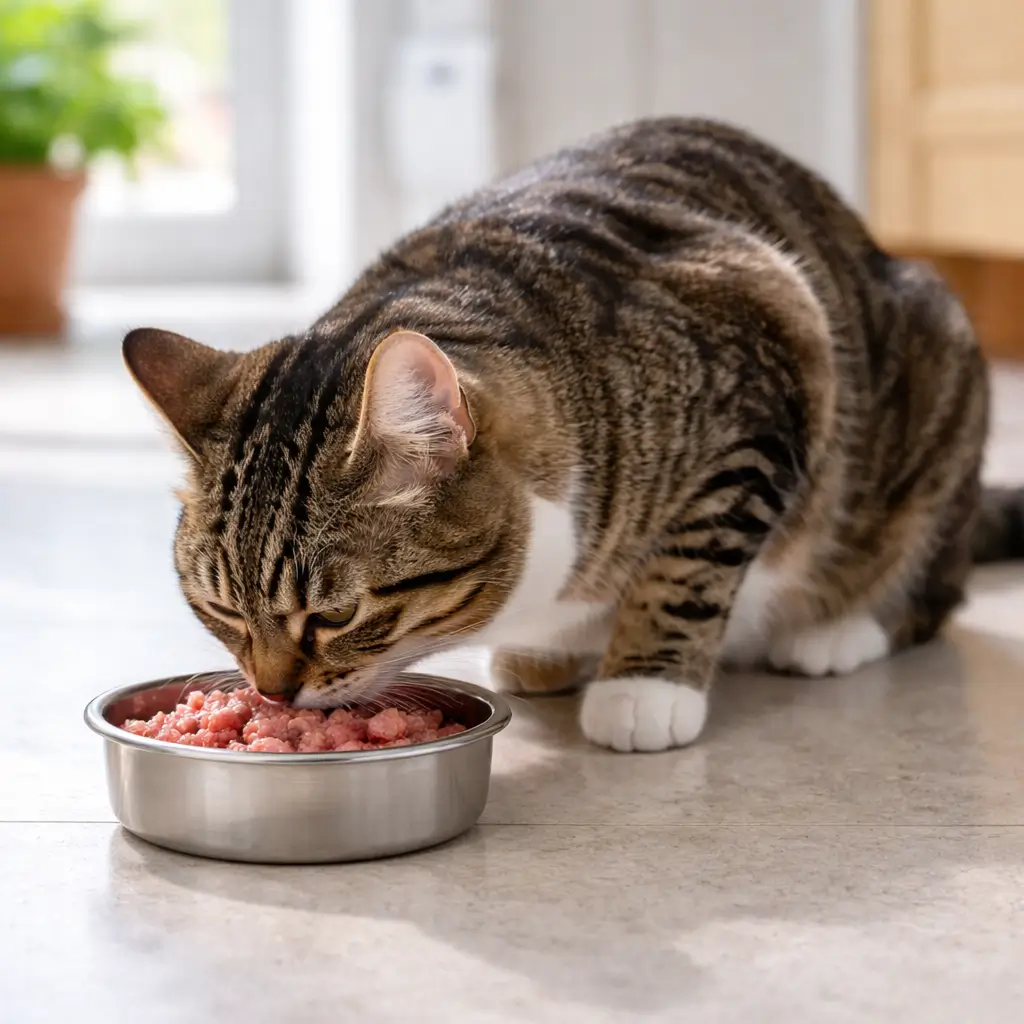
When raw feeding is done correctly, many cat owners report remarkable improvements in their companions’ health and vitality.
Coat quality often improves dramatically. Cats fed balanced raw diets frequently develop softer, shinier coats with reduced shedding and fewer hairballs.
Dental health may benefit from the natural teeth-cleaning action of chewing raw meaty bones. Many raw-fed cats show reduced tartar buildup and healthier gums.
Energy levels often increase as cats receive species-appropriate nutrition that their bodies can efficiently utilize.
Stool quality typically improves, with smaller, firmer, less odorous feces indicating efficient digestion.
Weight management often becomes easier when cats consume high-protein, low-carbohydrate diets that satisfy hunger without excess calories.
Conclusion
Preparing homemade raw cat food represents a significant commitment to your cat’s health and wellbeing. By following these four essential checklist items, ensuring complete nutrition, selecting safe proteins, balancing bone content, and adding necessary supplements, you create the foundation for a successful raw feeding program.
Remember that every cat is unique. What works beautifully for one feline may require adjustment for another. Stay observant, remain flexible, and maintain open communication with your veterinary team. Regular health monitoring ensures you catch any issues early and can adjust your approach accordingly.
The journey into raw feeding requires education, preparation, and ongoing attention. But for many cat owners, witnessing their companions thrive on species-appropriate nutrition makes every effort worthwhile. Your dedication to providing the best possible nutrition reflects the deep bond you share with your feline friend.
Start slowly, do your research, and never hesitate to seek professional guidance. Your cat’s health depends on getting the details right, and with proper preparation, you can confidently provide nutrition that honors their carnivorous nature while keeping them safe, healthy, and happy for years to come.