
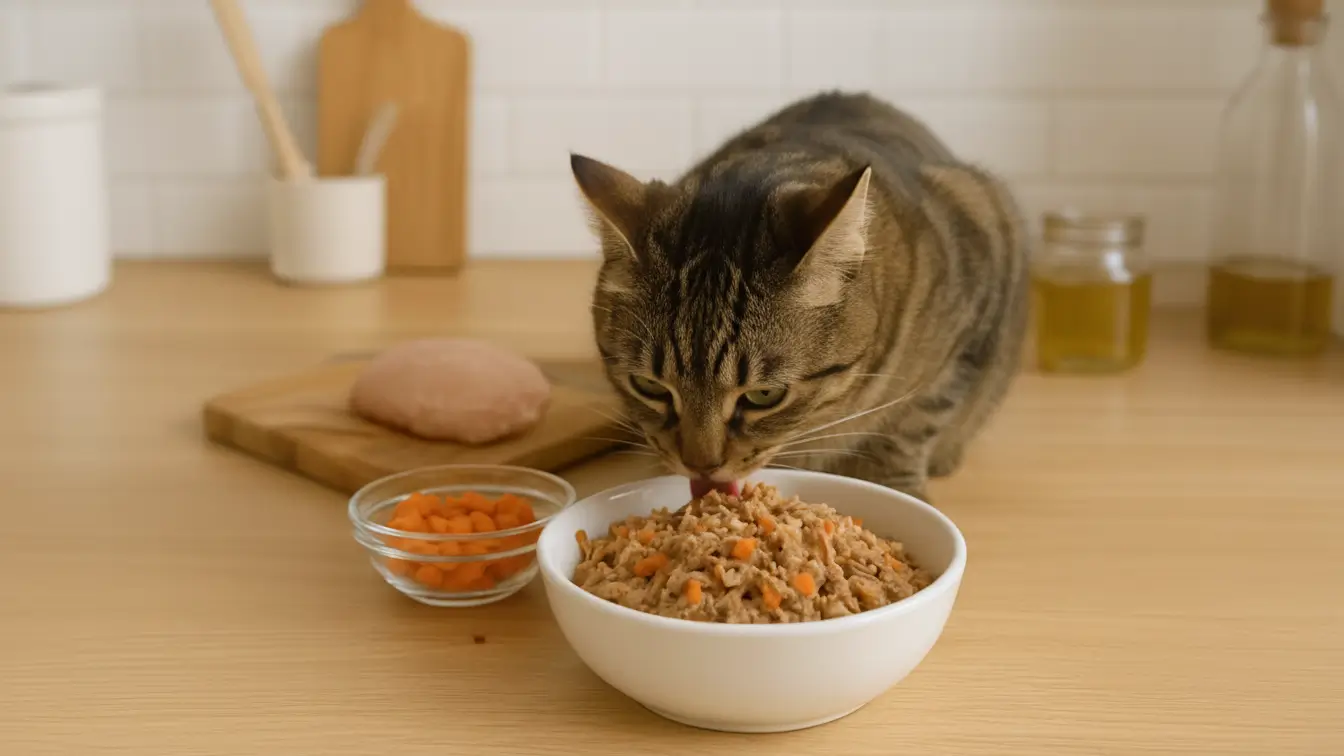
Homemade cat food recipes-7 best easy and nutritious meals
As someone who has spent over a decade studying feline nutrition and helping cat parents navigate the often confusing world of pet food, I’ve witnessed a remarkable shift in how we approach feeding our beloved companions. More and more cat owners are turning away from mass-produced kibble and exploring homemade cat food recipes as a way to provide fresher, healthier, and more transparent nutrition for their furry family members.
Table of Contents
I understand the love you have for your cat. That unconditional affection they offer deserves to be reciprocated with the very best care we can provide—and nutrition sits at the heart of that care. In this comprehensive guide, I’ll walk you through seven of my favorite easy and nutritious DIY kitty treats and complete meals that you can prepare right in your own kitchen.
What Are Homemade Cat Food Recipes?
Homemade cat food recipes are nutritionally balanced meals prepared at home using fresh, whole ingredients specifically selected to meet a cat’s unique dietary requirements. Unlike commercial pet foods, these DIY feline meals give pet owners complete control over ingredient quality, protein sources, and the absence of artificial preservatives or fillers.
Why Consider Homemade Cat Food Recipes for Your Feline Friend?
The decision to prepare nutritious feline snacks at home isn’t one I recommend taking lightly, but the benefits can be extraordinary when done correctly. Let me share why so many cat parents are embracing this approach.
Complete Ingredient Transparency
When you prepare your cat’s meals yourself, you know exactly what goes into their bowl. There are no mystery ingredients, no unpronounceable additives, and no concern about recalls or contamination. For cats with allergies or sensitivities, this transparency becomes invaluable.
Freshness You Can See and Smell
Commercial cat food, even the premium varieties, undergoes extensive processing that can diminish nutritional value. Fresh ingredients retain more of their natural vitamins, minerals, and enzymes. I’ve seen countless cats with dull coats and low energy transform after switching to fresh, home-prepared meals.
Customization for Individual Needs
Every cat is unique. My own senior cat has different nutritional needs than my neighbor’s energetic kitten. Homemade cat food recipes allow you to tailor meals to your cat’s age, weight, health conditions, and taste preferences.
Essential Nutritional Requirements Before You Start
Before we dive into the recipes, I need to emphasize something critical: cats are obligate carnivores. This means their bodies are designed to derive nutrition primarily from animal-based proteins. Unlike dogs or humans, cats cannot thrive on plant-based diets.
Key Nutrients Every Recipe Must Include
Your homemade feline meals must contain:
- High-quality animal protein (chicken, turkey, beef, fish, or rabbit)
- Taurine (an essential amino acid cats cannot produce themselves)
- Arachidonic acid (a fatty acid found only in animal tissues)
- Vitamin A (cats cannot convert beta-carotene like humans can)
- Calcium and phosphorus in proper ratios
I strongly recommend consulting with a veterinary nutritionist before transitioning your cat to homemade food entirely. They can help ensure your recipes meet all nutritional requirements and may recommend specific supplements.
7 Best Easy and Nutritious Homemade Cat Food Recipes
Now, let’s get to the heart of this guide—seven carefully crafted recipes that I’ve developed and refined over my years working with feline nutrition. Each recipe prioritizes safety, nutritional balance, and palatability.
Recipe 1: Classic Chicken and Liver Delight
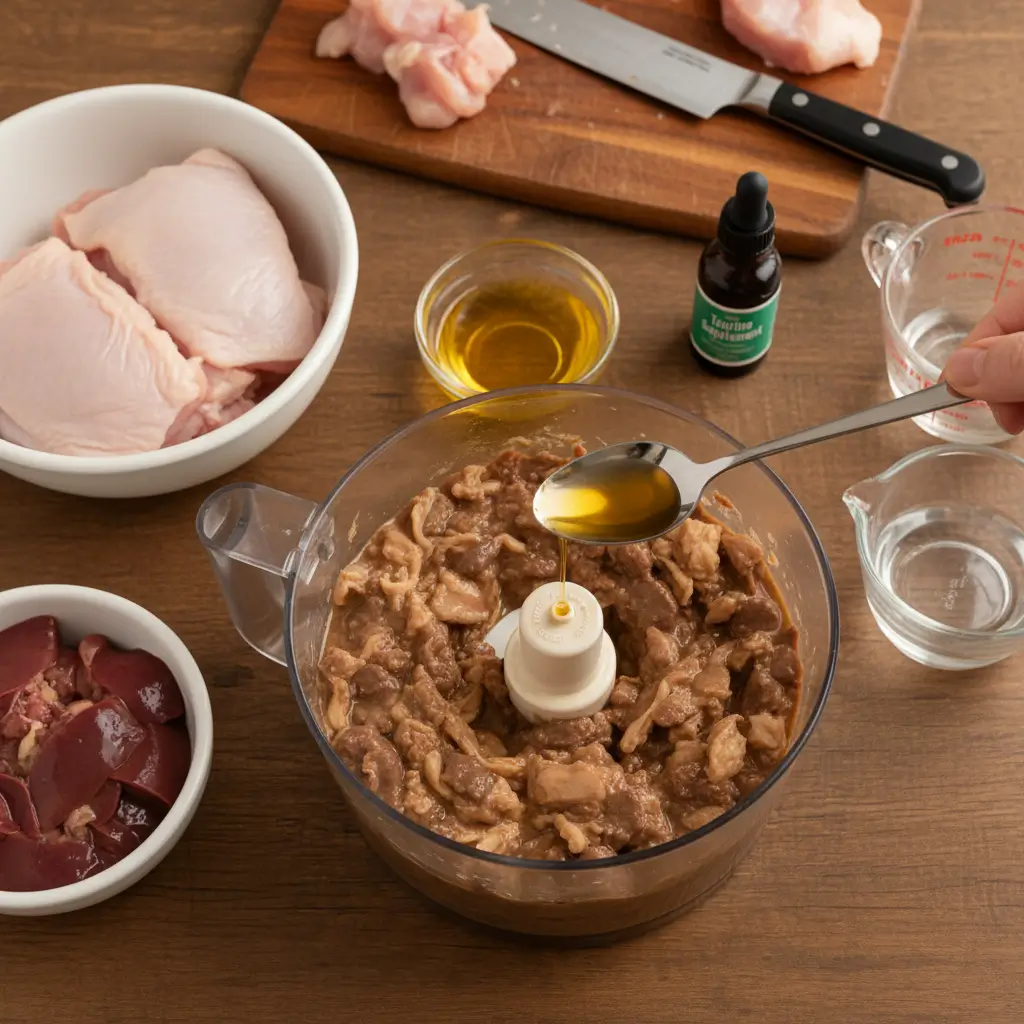
This recipe forms an excellent foundation for any cat’s diet. The combination of muscle meat and organ meat provides a comprehensive amino acid profile.
Ingredients:
- 1 pound boneless, skinless chicken thighs
- 3 ounces chicken liver
- 1 cup water or low-sodium chicken broth
- 1 tablespoon fish oil
- Taurine supplement (as directed by your veterinarian)
Preparation: Gently poach the chicken thighs and liver in water until fully cooked. Allow to cool, then blend to your cat’s preferred consistency—some cats enjoy chunks while others prefer a smoother pâté texture. Mix in the fish oil and taurine supplement before serving.
This recipe yields approximately four servings and can be refrigerated for up to three days.
Recipe 2: Turkey and Pumpkin Digestive Support
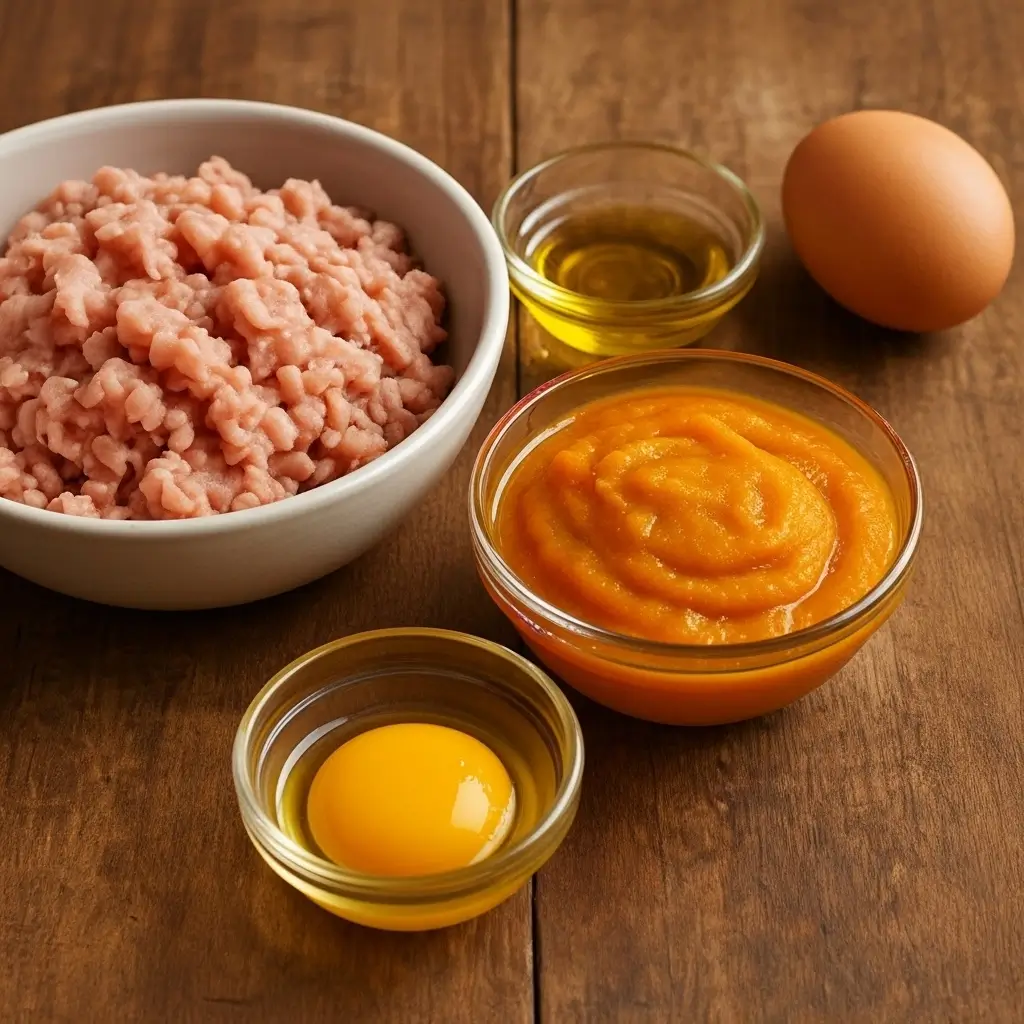
For cats with sensitive stomachs, this gentle recipe works wonders. Pumpkin provides beneficial fiber that supports healthy digestion without overwhelming your cat’s carnivorous system.
Ingredients:
- 1 pound ground turkey (not seasoned)
- 2 tablespoons pure pumpkin purée (not pie filling)
- 1 egg yolk
- 1 tablespoon olive oil
Preparation: Cook the ground turkey thoroughly without adding any oils or seasonings. Once cooled, combine with the pumpkin purée, egg yolk, and olive oil. The egg yolk adds beneficial fats and helps bind the ingredients together beautifully.
Recipe 3: Salmon and Sweet Potato Omega Boost
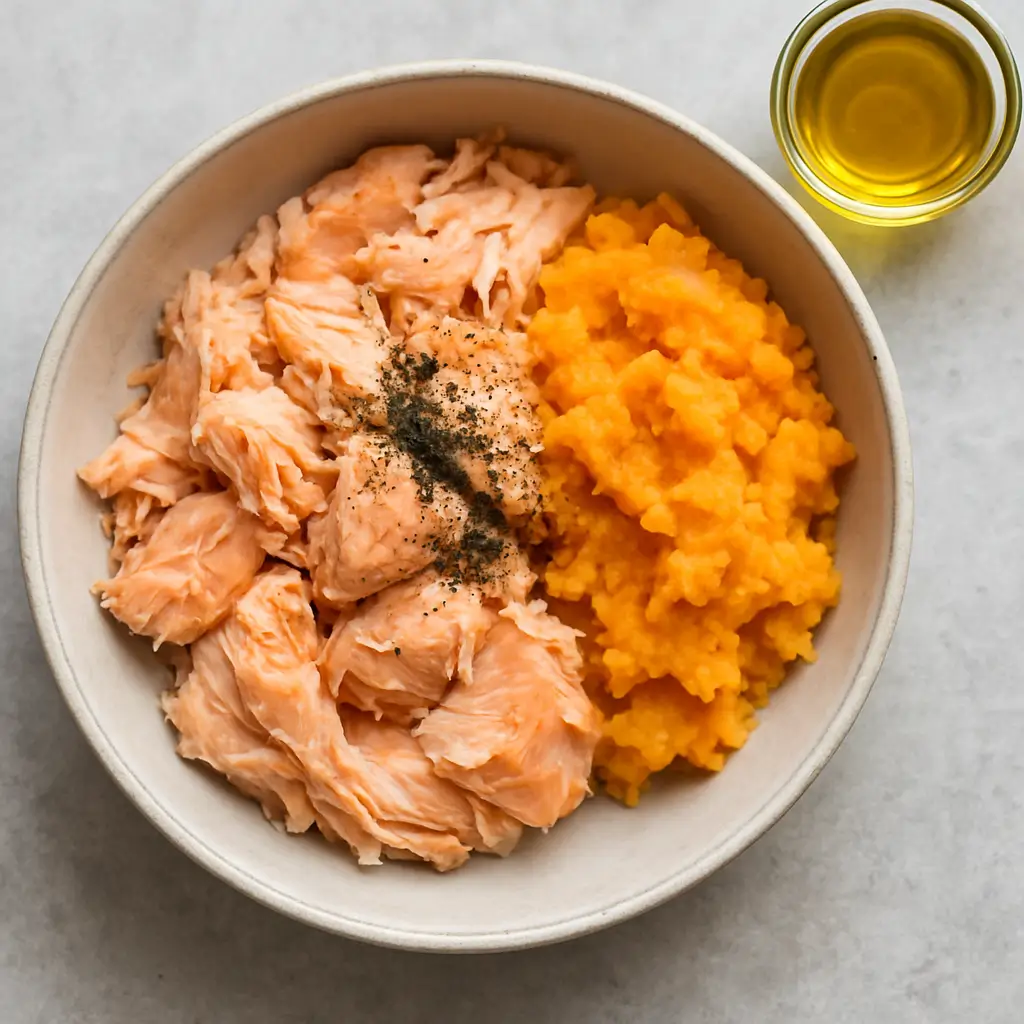
This recipe is one of my personal favorites for promoting coat health. The omega-3 fatty acids in salmon create that gorgeous, silky fur we all love to stroke.
Ingredients:
- 8 ounces fresh salmon (bones removed)
- 2 tablespoons cooked, mashed sweet potato
- 1 teaspoon salmon oil
- A pinch of dried kelp powder
Preparation: Steam or bake the salmon until it flakes easily. Combine with the mashed sweet potato and remaining ingredients. The sweet potato provides a small amount of beneficial carbohydrates and fiber, while kelp offers trace minerals.
Important note: Limit fish-based meals to once or twice weekly to prevent mercury accumulation and thiamine deficiency.
Recipe 4: Beef and Egg Protein Powerhouse
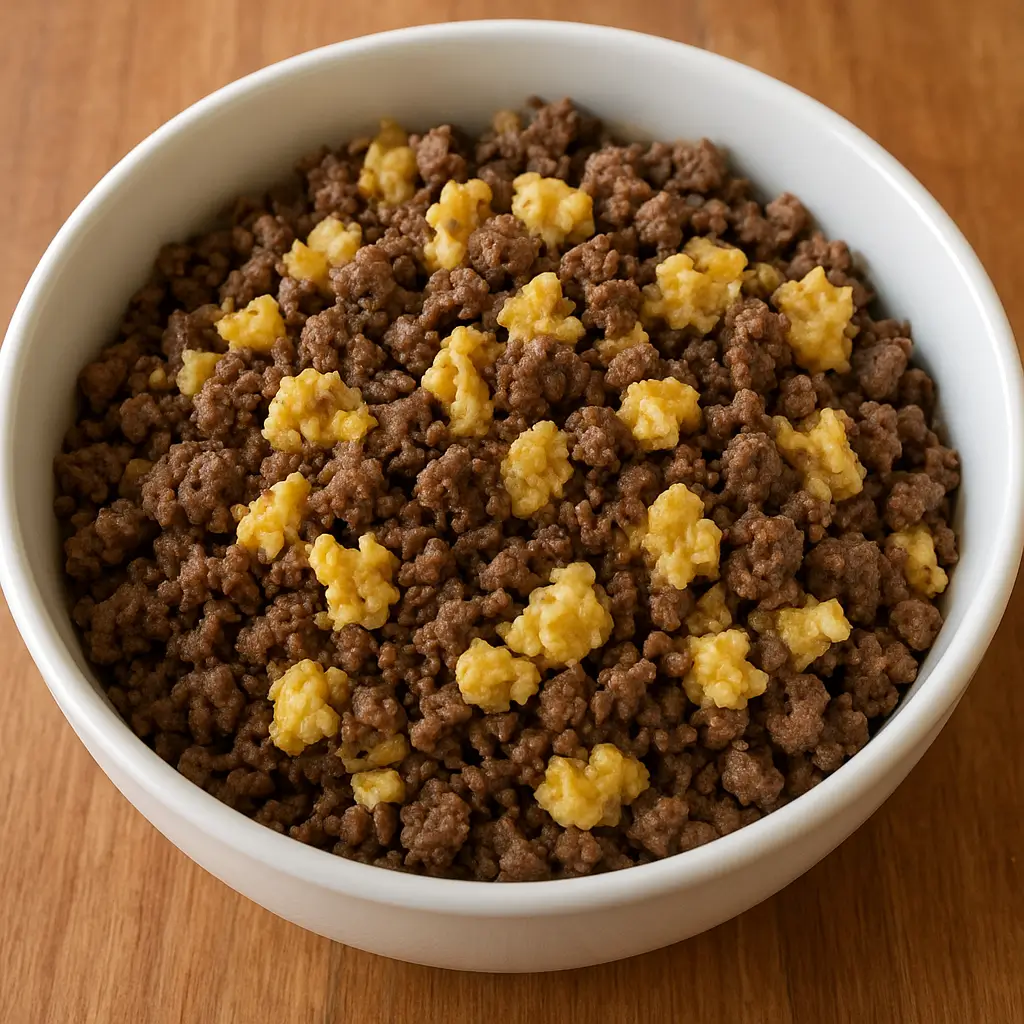
Growing kittens and active adult cats benefit tremendously from this protein-dense recipe. The combination of beef and eggs provides exceptional amino acid diversity.
Ingredients:
- 1 pound lean ground beef
- 2 whole eggs
- 1 tablespoon beef liver (finely chopped)
- 1 tablespoon bone meal or calcium supplement
Preparation: Brown the ground beef and liver together, ensuring thorough cooking. Scramble the eggs separately without butter or oil. Combine all ingredients and mix in the bone meal. This recipe provides the calcium-phosphorus balance essential for healthy bones.
Recipe 5: Rabbit and Zucchini Hypoallergenic Meal
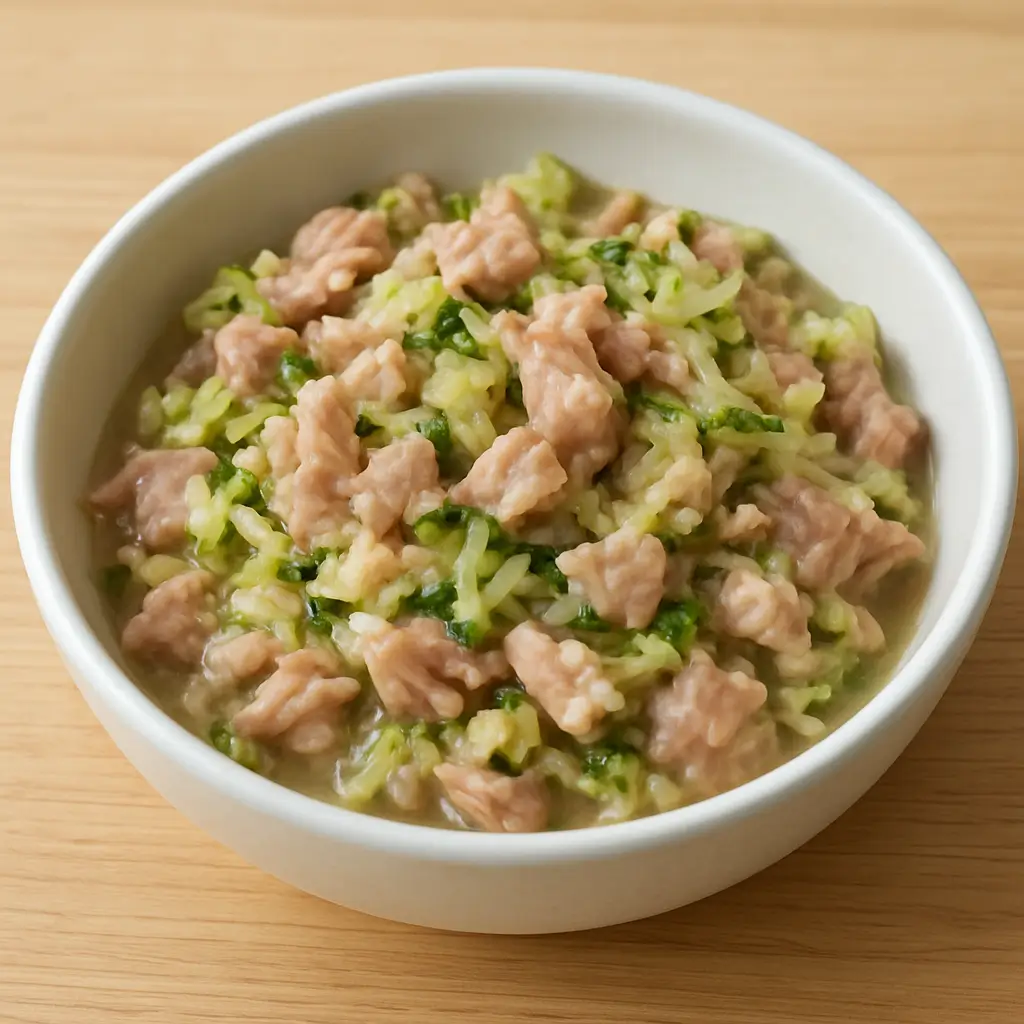
For cats suffering from food allergies, rabbit serves as an excellent novel protein source. Most commercial cat foods don’t contain rabbit, making it unlikely to trigger existing sensitivities.
Ingredients:
- 12 ounces rabbit meat (deboned)
- 1 tablespoon finely grated zucchini
- 1 tablespoon rabbit or chicken fat
- Vitamin E supplement (as directed)
Preparation: Cook the rabbit meat gently until done. Combine with the raw grated zucchini—the small amount of vegetable matter aids digestion. Add the fat and vitamin E before serving.
Recipe 6: Chicken Heart and Gizzard Taurine Rich Bowl
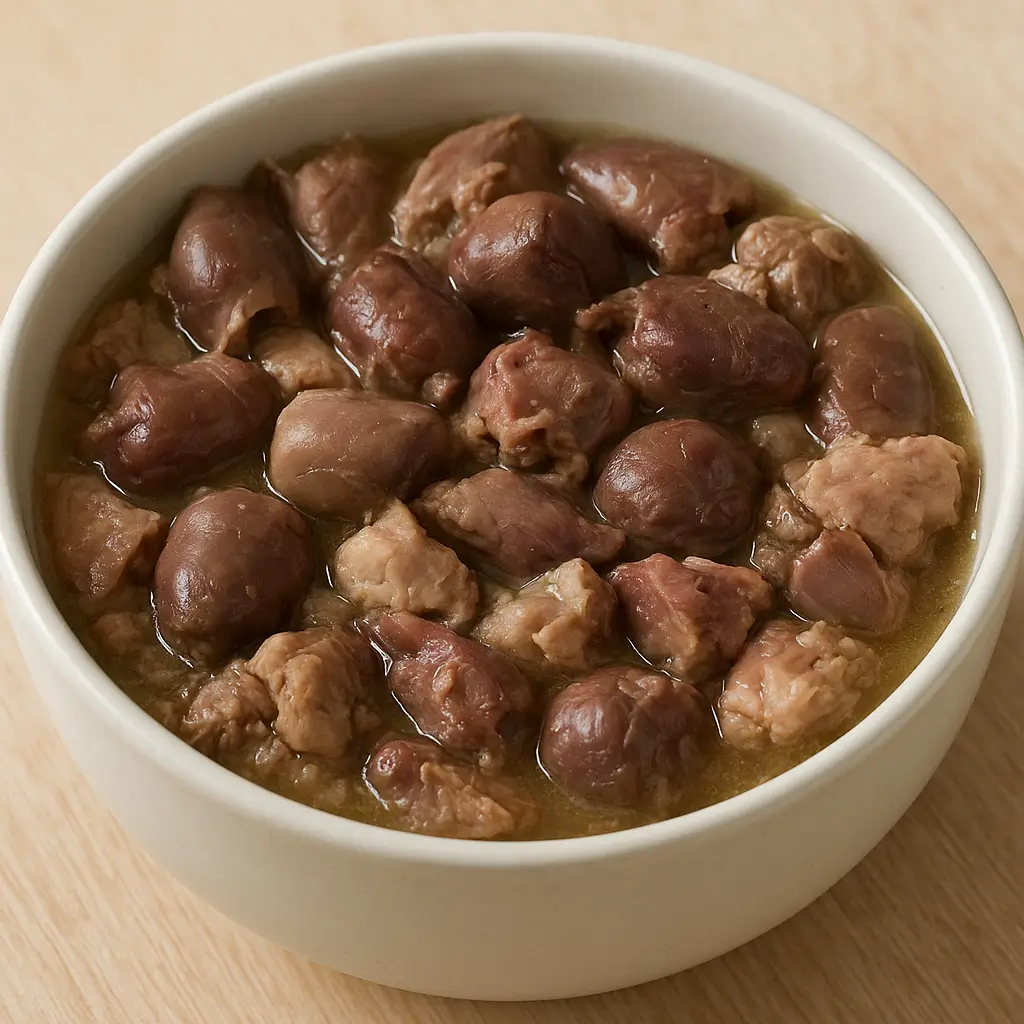
Organ meats, particularly hearts, are nature’s taurine supplements. This recipe naturally provides this essential amino acid that supports heart health and vision.
Ingredients:
- 8 ounces chicken hearts
- 4 ounces chicken gizzards
- 4 ounces chicken breast
- 2 tablespoons chicken broth
Preparation: Simmer all meats until thoroughly cooked. Chop or blend to your cat’s preferred texture. The combination of different organ and muscle meats creates a nutritionally diverse meal that mimics what cats would consume in the wild.
Recipe 7: Sardine and Chicken Quick Mix
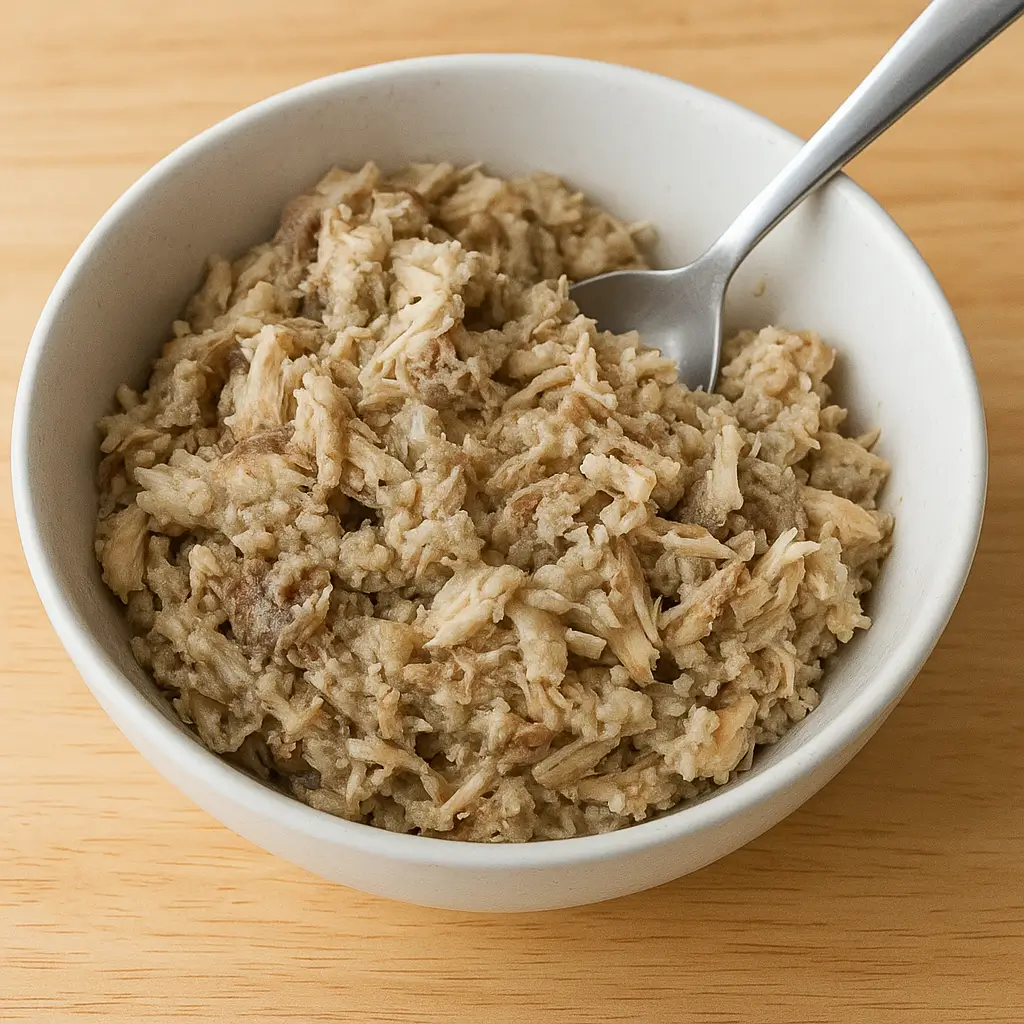
When time is short but you still want to provide wholesome safe cat rewards, this quick recipe delivers excellent nutrition with minimal effort.
Ingredients:
- 1 can sardines in water (drained)
- 6 ounces cooked chicken breast
- 1 teaspoon coconut oil
Preparation: Simply mash the sardines and shred the chicken. Combine with coconut oil, which supports skin health and provides beneficial medium-chain triglycerides. This meal comes together in under five minutes.
Foods to Absolutely Avoid in Homemade Cat Food Recipes
While exploring DIY kitty treats, you must know which ingredients pose serious dangers to feline health. Never include these items:
| Toxic Food | Why It’s Dangerous |
|---|---|
| Onions and Garlic | Destroy red blood cells, causing anemia |
| Grapes and Raisins | Can cause kidney failure |
| Chocolate | Contains theobromine, toxic to cats |
| Raw Eggs (whites) | Contain avidin, which depletes biotin |
| Xylitol | Causes severe hypoglycemia |
| Alcohol | Extremely toxic, even in small amounts |
| Caffeine | Causes heart palpitations and seizures |
Storage and Serving Guidelines for Homemade Meals
Proper food safety practices ensure your lovingly prepared meals remain safe for your cat.
Refrigeration: Store prepared food in airtight containers for a maximum of three days. Beyond this, bacterial growth becomes a concern.
Freezing: Most recipes freeze beautifully for up to three months. Portion into individual serving sizes before freezing for convenient thawing.
Serving temperature: Cats prefer food at room temperature or slightly warm—it mimics freshly caught prey. Never serve food directly from the refrigerator; allow it to reach room temperature or warm gently.
Transitioning Your Cat to Homemade Food
Cats are creatures of habit, and dietary changes should happen gradually. I recommend a two-week transition period.
During the first few days, mix approximately twenty-five percent homemade food with seventy-five percent of their current diet. Gradually increase the homemade portion while decreasing commercial food. Watch for any digestive upset, and slow the transition if necessary.
Some cats embrace new foods immediately, while others require patience and persistence. Adding a small amount of the liquid from cooked meats can entice reluctant eaters.
Frequently Asked Questions About Homemade Cat Food Recipes
Can I feed my cat homemade food exclusively?
Yes, but only if the recipes are nutritionally complete and balanced. I strongly recommend working with a veterinary nutritionist to ensure all essential nutrients are present. Supplementation with taurine, vitamins, and minerals is typically necessary.
How much homemade food should I feed my cat daily?
Most adult cats require approximately twenty-five to thirty-five calories per pound of body weight daily. For a ten-pound cat, this translates to roughly six to eight ounces of homemade food, divided into two meals.
Is raw food better than cooked for cats?
While raw diets have passionate advocates, I recommend cooking all meats to eliminate bacterial risks like Salmonella and E. coli. The nutritional benefits of raw feeding don’t outweigh these safety concerns, especially in households with children or immunocompromised individuals.
Can kittens eat homemade cat food?
Kittens have specific nutritional requirements for growth and development. While homemade food can work for kittens, the recipes must be adjusted for higher protein and caloric density. Consult your veterinarian before feeding homemade meals to cats under one year old.
How do I know if my homemade diet is working?
Signs of good nutrition include a shiny coat, healthy weight maintenance, regular digestion, bright eyes, and good energy levels. Schedule regular veterinary checkups to monitor your cat’s overall health and catch any nutritional deficiencies early.
Final Thoughts on Creating Homemade Cat Food Recipes
Preparing homemade cat food recipes represents one of the most loving investments you can make in your cat’s health and happiness. The time you spend in the kitchen translates directly into meals made with care, transparency, and genuine nutritional value.
Remember that this journey requires commitment to learning, attention to nutritional balance, and ongoing communication with your veterinary team. When done correctly, homemade feline nutrition can help your cat thrive for years to come.
I encourage you to start with one recipe, observe how your cat responds, and gradually expand your repertoire. Your feline companion may not be able to thank you with words, but their vibrant health, glossy coat, and contented purrs will speak volumes about the difference your efforts make.