
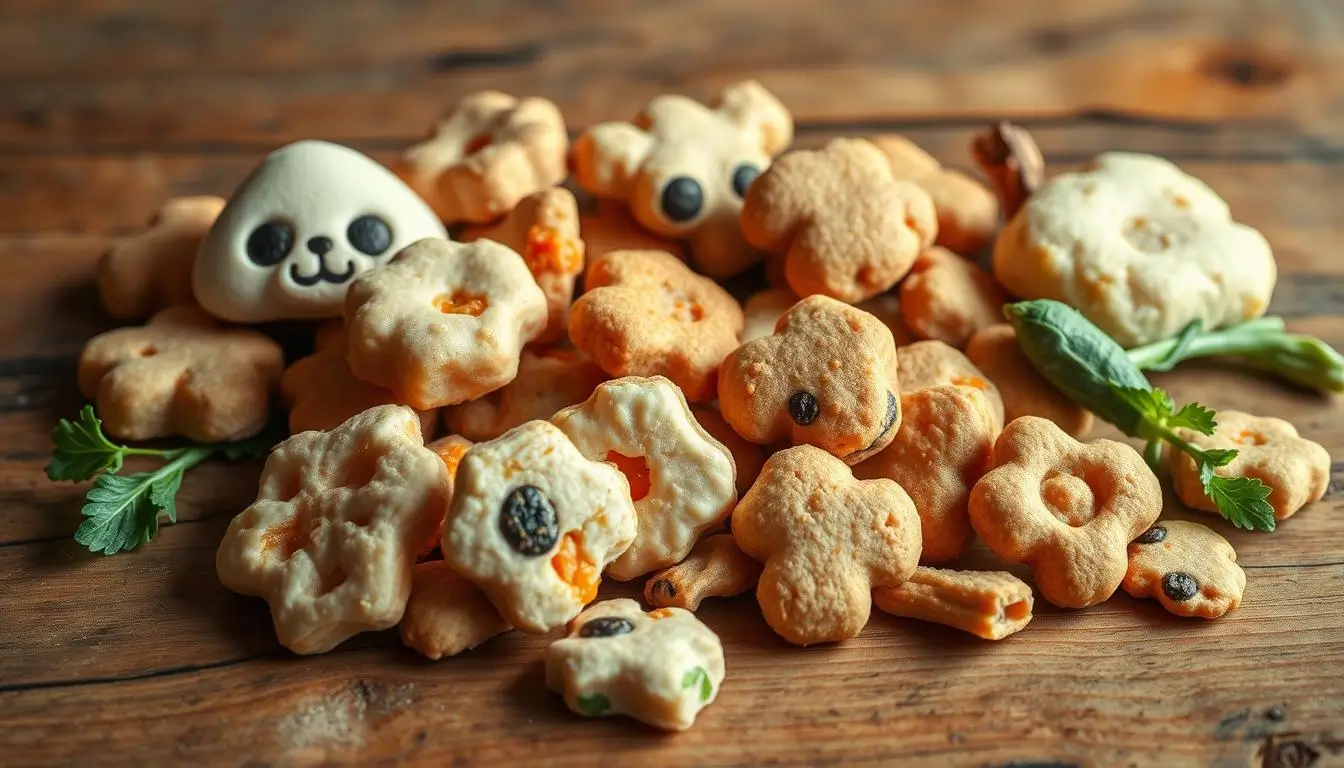
Top 7 Healthy Cat Treats: Delicious Homemade Recipes
As a cat nutrition specialist with over a decade of experience, I’ve seen countless cat parents struggle with the same challenge: finding healthy cat treats that are both nutritious and irresistible to their feline companions. The commercial treat aisle can be overwhelming, filled with products containing questionable ingredients, artificial additives, and excessive fillers that do little for your cat’s wellbeing.
Table of Contents
Here’s the good news—you don’t have to rely solely on store-bought options. Making nutritious feline snacks at home gives you complete control over what goes into your cat’s body. In this comprehensive guide, I’ll walk you through seven tested recipes that I’ve developed and refined throughout my career, along with essential knowledge about feline nutrition that every cat owner deserves to know.
What Are Healthy Cat Treats?
Healthy cat treats are supplemental snacks specifically formulated to provide nutritional benefits while satisfying a cat’s natural cravings for protein-rich, flavorful rewards. Unlike conventional treats loaded with artificial preservatives and fillers, these wholesome alternatives contain real meat, fish, or organ proteins combined with cat-safe ingredients that support overall feline health without contributing to obesity or digestive issues.
Why Homemade Treats Are a Game-Changer for Your Cat
When I first started recommending homemade safe cat rewards to my clients, the transformation in their pets was remarkable. Within weeks, many reported shinier coats, improved digestion, and cats that seemed more energetic and playful.
Complete Ingredient Transparency
Commercial treats often contain ingredients that sound scientific and confusing. When you make treats at home, you know exactly what your cat is consuming. There are no hidden sugars, no mysterious “meat by-products,” and no artificial colors that serve no nutritional purpose.
Customization for Special Needs
Every cat is unique. Some have sensitive stomachs, others battle food allergies, and many seniors need softer textures. Homemade DIY kitty treats allow you to tailor recipes to your cat’s specific requirements—something mass-produced products simply cannot offer.
Cost-Effectiveness Over Time
While the initial investment in quality ingredients might seem higher, the long-term savings are significant. A single batch of homemade treats typically costs a fraction of premium commercial options and lasts considerably longer.
Essential Nutritional Guidelines Before You Start
Before diving into recipes, I want to share some critical knowledge that will help you become a more informed cat parent.
Understanding Obligate Carnivores
Cats are obligate carnivores, meaning their bodies are designed to derive nutrition primarily from animal proteins. Unlike dogs or humans, cats have specific amino acid requirements—particularly taurine—that can only be adequately met through meat consumption. This is why every recipe I recommend prioritizes high-quality animal protein as the foundation.
The 10% Rule
No matter how nutritious your homemade treats are, they should never exceed 10% of your cat’s daily caloric intake. Treats are supplements, not meal replacements. Overfeeding, even with wholesome snacks, can lead to nutritional imbalances and weight gain.
Portion Sizing Matters
A typical domestic cat requires between 200-300 calories daily, depending on size and activity level. This means treats should account for roughly 20-30 calories per day at maximum.
7 Irresistible Healthy Cat Treat Recipes
Now let’s get to what you came here for—the recipes themselves. I’ve tested each of these extensively, and they’ve received enthusiastic approval from hundreds of feline taste-testers over the years.

Recipe 1: Simple Salmon Bites
This recipe consistently ranks as a favorite among cats of all ages.
Ingredients:
- 1 can (6 oz) wild-caught salmon, drained
- 1 egg
- 2 tablespoons oat flour
Instructions:
- Preheat your oven to 350°F (175°C).
- Combine all ingredients in a bowl and mash thoroughly.
- Roll into small, pea-sized balls.
- Place on a parchment-lined baking sheet.
- Bake for 12-15 minutes until firm.
- Cool completely before serving.
Storage: Refrigerate in an airtight container for up to one week.
Recipe 2: Chicken and Catnip Crunchies
The addition of catnip makes these particularly exciting for cats who respond to this herb.
Ingredients:
- 1 cup cooked chicken breast, finely shredded
- 1 tablespoon dried catnip
- 1 egg white
- 3 tablespoons rice flour
Instructions:
- Preheat oven to 325°F (165°C).
- Blend chicken until it forms a paste-like consistency.
- Mix in catnip, egg white, and rice flour.
- Spread mixture thinly on a baking sheet.
- Score into small squares before baking.
- Bake for 20 minutes, then flip and bake another 10 minutes for extra crunch.
Recipe 3: Tuna Training Treats
These soft, aromatic treats are perfect for training sessions.
Ingredients:
- 1 can (5 oz) tuna in water, drained
- 1/4 cup cooked pumpkin puree (plain, not pie filling)
- 1 egg
Instructions:
- Preheat oven to 350°F (175°C).
- Blend all ingredients until smooth.
- Pipe or spoon small dots onto a lined baking sheet.
- Bake for 10-12 minutes.
- Allow to cool and slightly firm up.
The pumpkin adds beneficial fiber that supports digestive health—a wonderful bonus in these nutritious feline snacks.
Recipe 4: Liver Lovers’ Delight
Organ meats are incredibly nutrient-dense, packed with vitamins A, B12, and iron.
Ingredients:
- 4 oz chicken liver
- 1 egg
- 1/4 cup oat flour
- 1 tablespoon fish oil (optional, for coat health)
Instructions:
- Boil liver until fully cooked (approximately 10 minutes).
- Blend liver with egg until smooth.
- Add flour and fish oil, mixing thoroughly.
- Roll into tiny balls and flatten slightly.
- Bake at 350°F for 15 minutes.
Important note: Due to high vitamin A content, limit liver treats to once or twice weekly.
Recipe 5: Sardine Sensations
Sardines provide excellent omega-3 fatty acids that promote skin, coat, and joint health.
Ingredients:
- 1 can sardines in water, drained
- 2 tablespoons coconut flour
- 1 egg yolk
Instructions:
- Mash sardines thoroughly, including bones (they’re soft and provide calcium).
- Mix in coconut flour and egg yolk.
- Form into small shapes.
- Freeze for 2 hours for a cool summer treat, or bake at 350°F for 12 minutes for a crunchy version.
Recipe 6: Turkey and Egg Protein Puffs
This high-protein recipe is excellent for active cats or those recovering from illness.
Ingredients:
- 1/2 cup ground turkey (cooked and unseasoned)
- 1 hard-boiled egg, mashed
- 1 tablespoon nutritional yeast
- 2 tablespoons whole wheat flour
Instructions:
- Combine all ingredients thoroughly.
- Roll into small balls.
- Bake at 350°F for 15-18 minutes.
- Cool completely before offering to your cat.
Nutritional yeast adds a savory, cheese-like flavor that cats find irresistible, while providing B vitamins.
Recipe 7: Shrimp Cocktail Bites
For cats who enjoy seafood variety, these treats offer a special-occasion option.
Ingredients:
- 6-8 medium shrimp, cooked and deveined
- 1 teaspoon olive oil
- 1 tablespoon oat flour
Instructions:
- Finely chop shrimp.
- Mix with olive oil and flour.
- Form tiny patties.
- Bake at 325°F for 12 minutes, flipping halfway through.

Foods to Absolutely Avoid in Cat Treats
While creating healthy cat treats at home offers tremendous benefits, it’s equally important to know which ingredients are dangerous for cats. I’ve compiled this warning list based on veterinary research and clinical observations.
| Toxic Ingredient | Why It’s Dangerous |
|---|---|
| Onions and Garlic | Damages red blood cells, causing anemia |
| Chocolate | Contains theobromine, toxic to cats |
| Grapes and Raisins | Can cause acute kidney failure |
| Xylitol | Artificial sweetener causing liver failure |
| Raw Eggs | Risk of Salmonella; interferes with biotin absorption |
| Alcohol | Even small amounts cause severe liver damage |
| Caffeine | Causes heart palpitations and seizures |
| Macadamia Nuts | Leads to weakness, vomiting, tremors |
When experimenting with new recipes, always research each ingredient’s safety for feline consumption. When in doubt, leave it out.
Tips for Successfully Introducing Homemade Treats
Transitioning your cat to homemade safe cat rewards requires patience and observation. Here’s what I’ve learned works best:
Start small. Offer just one or two pieces initially and monitor for any adverse reactions over 24-48 hours. Signs of food intolerance include vomiting, diarrhea, excessive scratching, or lethargy.
Maintain variety. Rotating between different protein sources prevents boredom and reduces the risk of developing food sensitivities to any single protein.
Store properly. Unlike commercial treats loaded with preservatives, homemade versions have shorter shelf lives. Most refrigerated treats last 5-7 days, while frozen treats remain good for up to three months.
Frequently Asked Questions About Healthy Cat Treats
How often should I give my cat homemade treats?
I recommend offering treats once or twice daily, keeping total treat calories under 10% of your cat’s daily needs. For most cats, this translates to 3-5 small treats per day, depending on the recipe and your cat’s size.
Can kittens eat homemade treats?
Kittens over 8 weeks old can enjoy most homemade treats in very small quantities. However, kittens have specific nutritional requirements for growth, so treats should be offered sparingly. Always ensure treats are cut into appropriately tiny pieces to prevent choking.
My cat has diabetes—are these treats safe?
Many of these recipes contain minimal carbohydrates, making them potentially suitable for diabetic cats. However, I strongly advise consulting your veterinarian before introducing any new foods. They can help you select recipes that align with your cat’s specific dietary needs.
Why does my cat ignore the homemade treats I make?
Cats can be notoriously particular. If your cat shows disinterest, try warming the treats slightly to release aromas, or experiment with different protein sources. Some cats prefer fish over poultry, while others are the opposite. Patience and experimentation are key.
Can I substitute ingredients in these recipes?
Absolutely, with caution. You can typically swap similar proteins—chicken for turkey, salmon for tuna—without issues. However, avoid substituting flour types without researching their safety for cats, and never add seasonings, salt, or sweeteners.
Final Thoughts on Healthy Cat Treats
Creating healthy cat treats at home is one of the most rewarding ways to show your feline companion how much you care. Throughout my career, I’ve witnessed the powerful bond that forms when cat owners take an active role in their pet’s nutrition. These seven recipes represent countless hours of testing, refinement, and feline feedback.
Remember, the goal isn’t perfection—it’s progress. Start with one recipe that appeals to you, observe how your cat responds, and gradually expand your repertoire. Your cat will appreciate the love and attention you pour into every batch, and you’ll have peace of mind knowing exactly what’s fueling their purrs and playtime.
Whether you’re seeking nutritious feline snacks for training, weight management, or simply to brighten your cat’s day, homemade treats offer a solution that commercial products cannot match. Your kitchen is about to become your cat’s favorite room in the house.