How to Make Cat Food Recipes-Easy & Nutritious DIY Guide
As a cat parent, you want nothing but the best for your furry companion. I’ve spent over a decade studying feline nutrition and helping thousands of cat owners understand what truly nourishes their beloved pets. Learning how to make cat food recipes at home has become increasingly popular, and for good reason. When you prepare your cat’s meals yourself, you control every ingredient that goes into their bowl, ensuring freshness, quality, and nutritional balance.
Table of Contents
In this comprehensive guide, I’ll walk you through everything you need to know about creating safe, delicious, and nutritionally complete homemade meals for your cat. Whether you’re looking to supplement your cat’s commercial diet or transition entirely to homemade options, you’ll find practical recipes, essential nutritional guidelines, and important safety information to keep your feline healthy and thriving.
What Is How to Make Cat Food Recipes?
How to make cat food recipes refers to the process of preparing nutritionally balanced, safe, and species-appropriate meals for cats using fresh, whole ingredients at home. This practice involves understanding feline nutritional requirements, selecting proper protein sources, adding essential supplements like taurine, and following veterinarian-approved guidelines to create complete meals that support your cat’s overall health and wellbeing.
Why Consider Homemade Cat Treats and Meals?
The decision to prepare your cat’s food at home comes with numerous benefits that commercially prepared foods simply cannot match. Let me share why so many cat owners, myself included, have embraced this approach.
Complete Ingredient Control
When you make nutritious cat snacks and meals at home, you know exactly what your cat is eating. There are no mysterious by-products, artificial preservatives, or questionable fillers. This transparency is particularly valuable for cats with food sensitivities or allergies.
Freshness and Quality
Commercial cat food, even premium brands, undergoes extensive processing that can diminish nutritional value. Homemade meals use fresh ingredients at their peak, delivering maximum nutritional benefit to your feline companion.
Customization for Special Needs
Every cat is unique. Some require weight management diets, others need hypoallergenic options, and senior cats often benefit from adjusted nutrient profiles. Preparing food at home allows you to tailor meals to your cat’s specific requirements.
Bonding Experience
There’s something deeply satisfying about preparing food for those you love. Many cat owners find that the process of making safe cat treats strengthens their bond with their pets.
Understanding Your Cat’s Nutritional Requirements
Before diving into recipes, we must understand what cats need nutritionally. Unlike dogs or humans, cats are obligate carnivores. This means their bodies are designed to derive nutrients primarily from animal sources.
Essential Nutrients for Cats
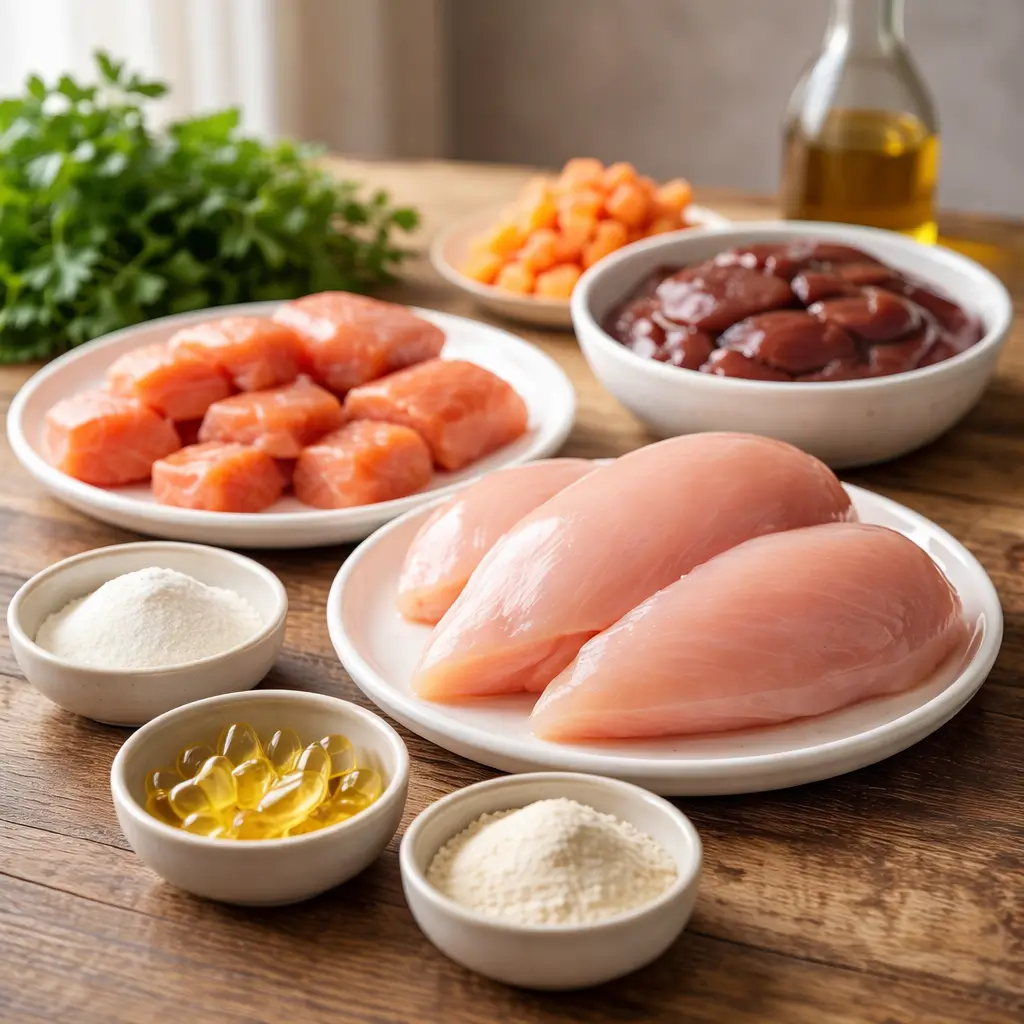
Protein forms the foundation of feline nutrition. Cats require significantly more protein than dogs or humans, and it must come from high-quality animal sources. Chicken, turkey, beef, fish, and rabbit are excellent options.
⚠️ Medical Warning: High-protein diets can be dangerous for cats diagnosed with chronic kidney disease. If your cat has kidney issues, consult your veterinarian before preparing homemade meals, as protein levels may need to be carefully controlled.
Taurine represents a vital amino acid that felines are unable to produce internally. A deficiency in taurine can lead to severe health complications, such as cardiac disorders and eye-related problems. When preparing homemade cat meals, this supplement stands as the most essential addition you must include.
Fat delivers crucial fatty acids while functioning as a dense source of energy.
⚠️ Medical Warning: High-fat diets pose serious risks for cats with pancreatitis. If your cat has a history of pancreatic issues, work closely with your veterinarian to determine appropriate fat levels.
Vitamins and Minerals must be properly balanced. Calcium and phosphorus ratios are particularly important for bone health, while vitamins A, D, E, and B-complex support various bodily functions.
Essential Supplies for Making Cat Food at Home
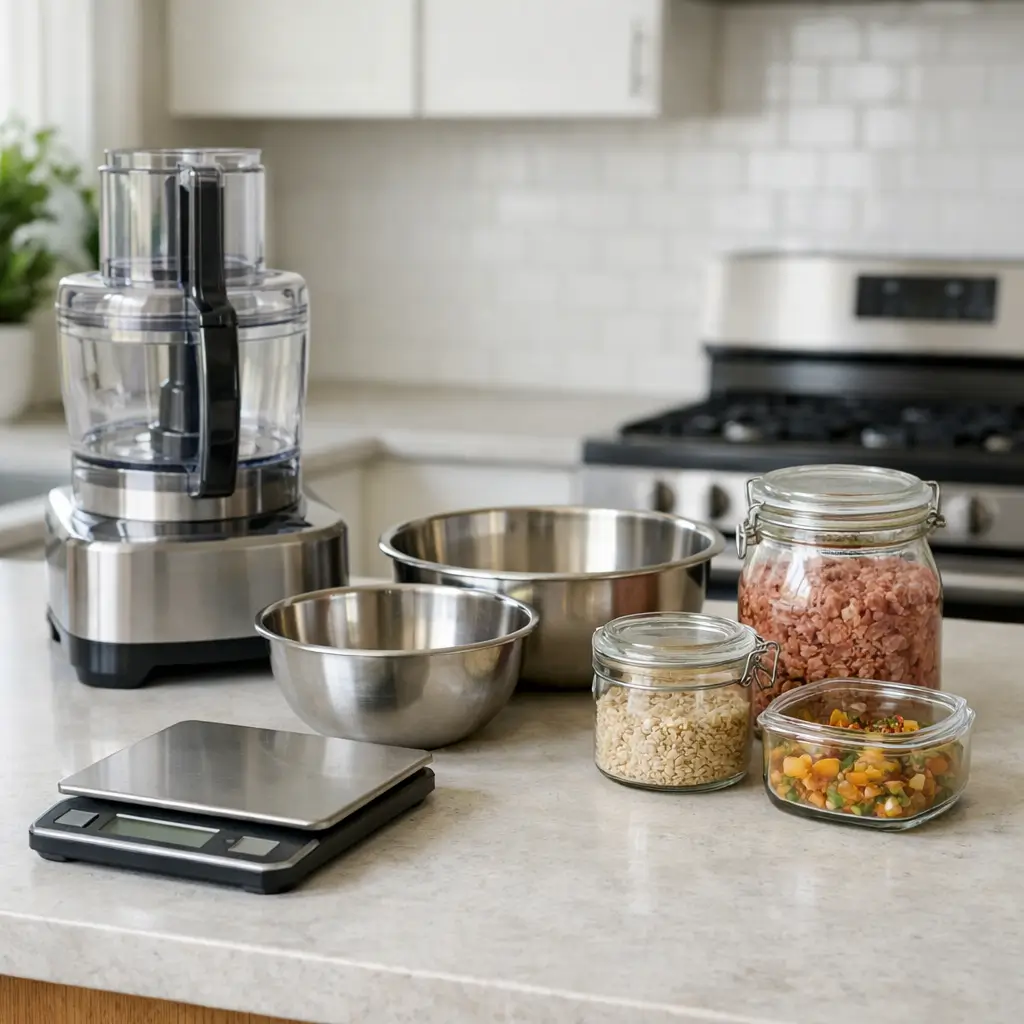
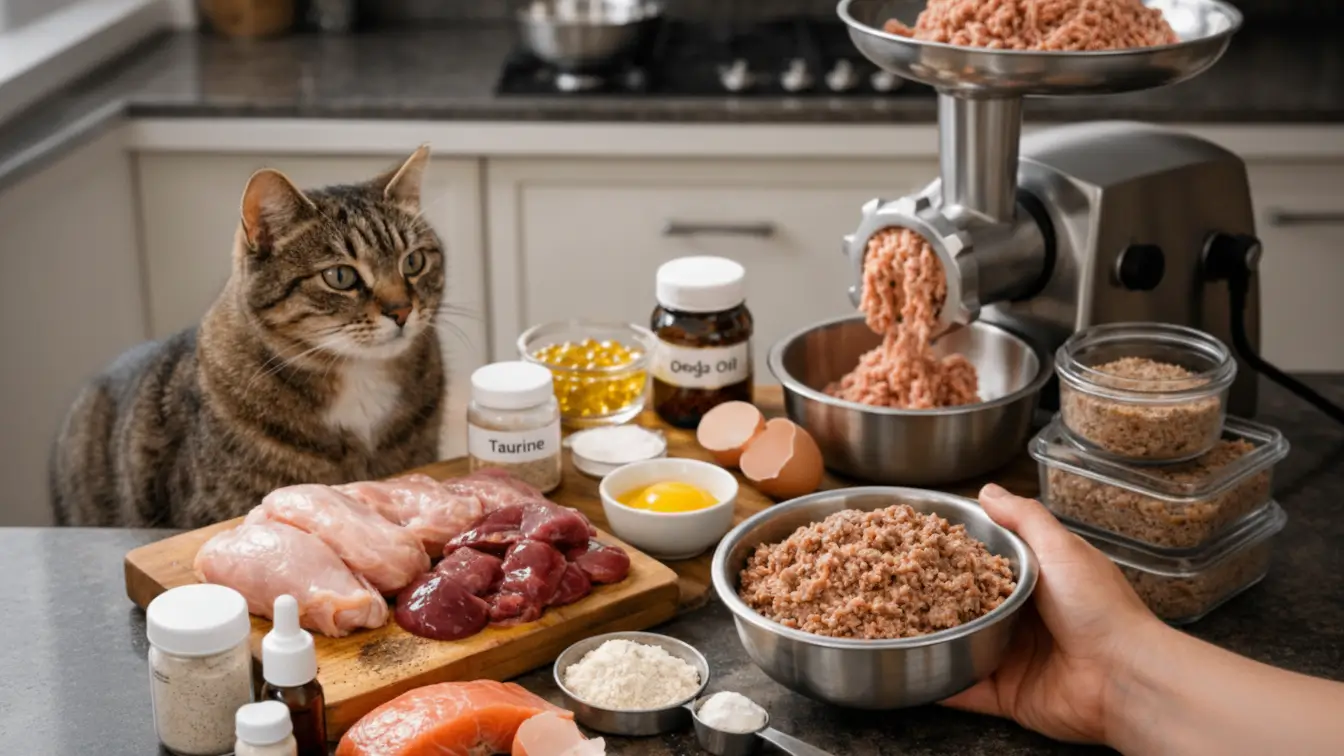
Before you begin preparing homemade cat food recipes, gather these essential tools and ingredients.
Kitchen Equipment
You’ll need a reliable food processor or meat grinder to achieve the right texture. Cats prefer their food at room temperature with a consistency similar to pâté, though some enjoy slightly chunkier textures.
A kitchen scale ensures accurate measurements, which is crucial for maintaining nutritional balance. Sharp knives, cutting boards dedicated to raw meat handling, and appropriate storage containers complete your setup.
Supplements You Cannot Skip
Taurine powder is non-negotiable. Without it, homemade cat food is dangerously incomplete. Purchase pharmaceutical-grade taurine from reputable suppliers.
Calcium typically comes from bone meal or eggshell powder. If your recipes include ground bone, additional calcium may not be necessary, but bone-free recipes require supplementation.
Fish oil provides omega-3 fatty acids that support skin, coat, and cognitive health. Choose high-quality, mercury-tested options designed for pets.
Vitamin E acts as an antioxidant and is especially important when feeding fish-based diets.
A complete cat vitamin and mineral supplement designed for homemade diets helps fill any nutritional gaps.
Foods That Are Dangerous for Cats
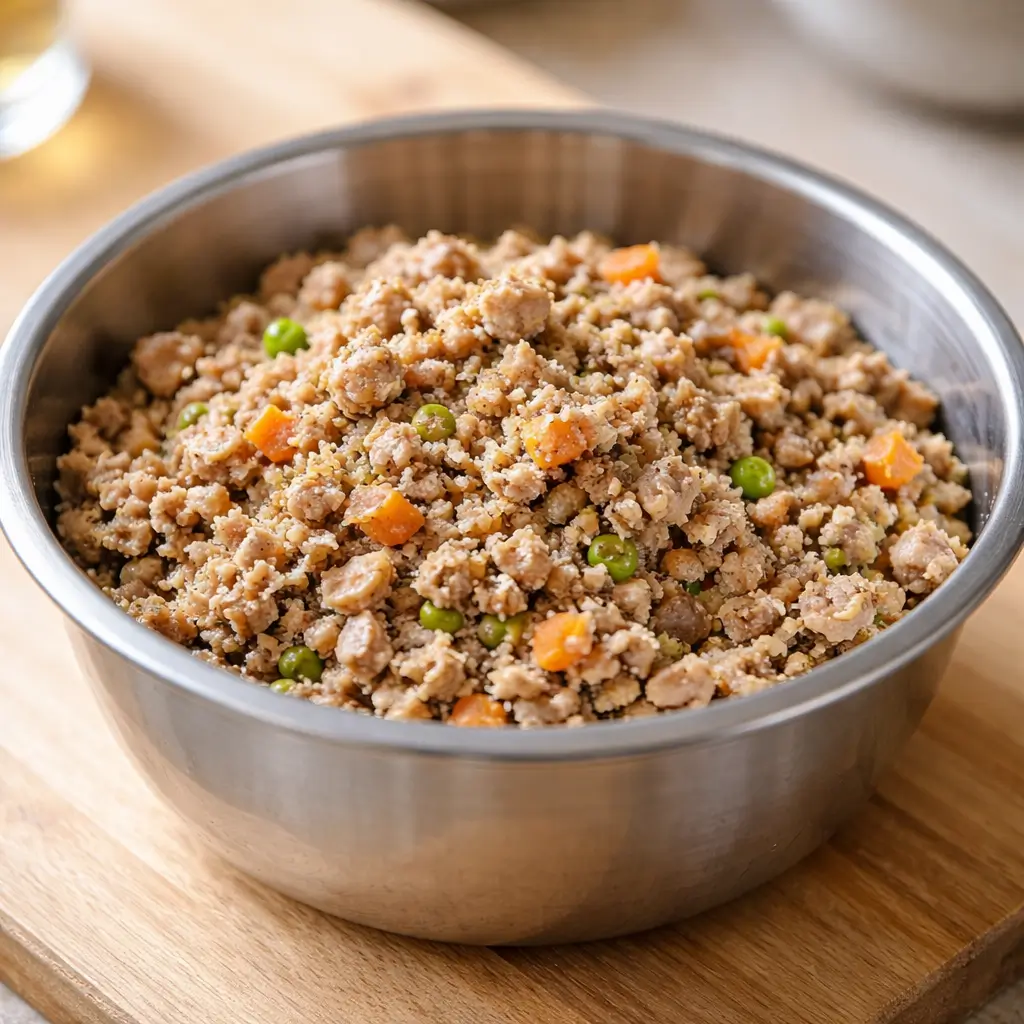
Before we explore recipes, understanding what to avoid is crucial for your cat’s safety.
Toxic Foods to Never Include
Onions and garlic contain compounds that damage red blood cells in cats, leading to anemia. Even small amounts are harmful, so never use these in homemade cat meals.
Grapes and raisins can cause kidney failure in cats. The exact toxic compound remains unknown, making even tiny amounts dangerous.
Chocolate contains theobromine, which cats cannot metabolize effectively. Keep all chocolate products away from your feline.
Xylitol, an artificial sweetener found in many human foods, causes severe blood sugar drops and liver failure in cats.
Raw eggs (specifically egg whites) contain avidin, which interferes with biotin absorption. Cooked eggs are safe and nutritious.
Alcohol in any form is extremely dangerous for cats due to their small size and inability to process it.
Common Allergens to Monitor
📝 Note: Chicken and fish, while excellent protein sources for most cats, are common allergens for some felines. If your cat shows signs of food allergies (itching, digestive upset, skin problems), consider novel protein sources like duck, rabbit, or venison.
How to Make Cat Food Recipes: Step-by-Step Basic Recipe
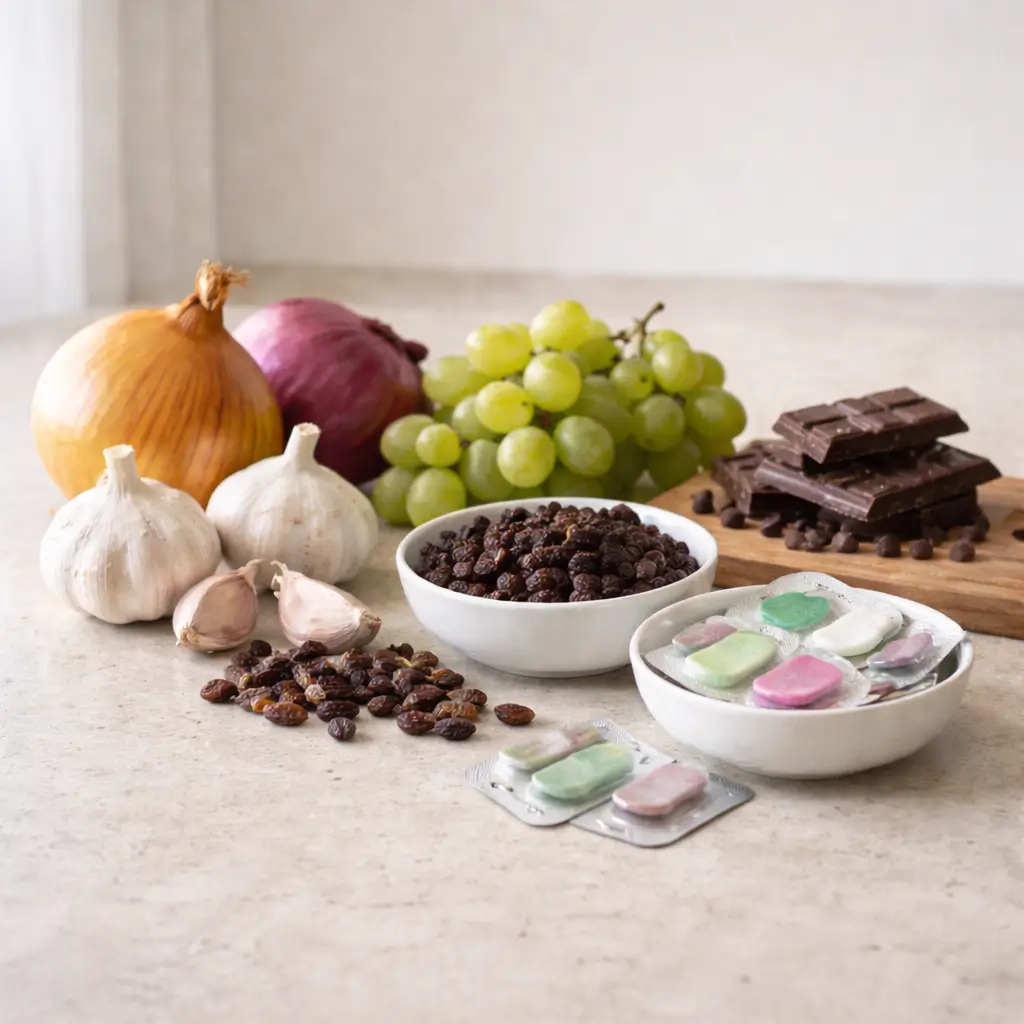
Let’s now explore the core process of preparing wholesome homemade meals for your cat. The following basic recipe will serve as your essential foundation to build upon.
Classic Chicken and Liver Recipe
This balanced recipe provides complete nutrition when properly supplemented. I’ve refined this formula over years of research and practical application.
Ingredients:
- 1.5 pounds boneless, skinless chicken thighs
- 4 ounces chicken liver
- 1 cup water or low-sodium chicken broth
- 2 egg yolks (cooked)
- 2000 mg fish oil
- 200 mg vitamin E
- 1/4 teaspoon taurine powder
- Calcium supplement as directed on package
- Complete feline vitamin and mineral supplement
Instructions:
First, poach the chicken thighs in simmering water until fully cooked, reaching an internal temperature of 165°F. This typically takes 20-25 minutes depending on thickness.
While the chicken cooks, gently sauté the liver until just cooked through. Liver should remain slightly pink inside to preserve nutrients but must be cooked enough for safety.
Allow both proteins to cool to room temperature. Never add supplements to hot food, as heat can destroy vital nutrients like taurine.
Combine the chicken, liver, and cooking liquid in your food processor. Blend to your cat’s preferred consistency, adding more liquid if needed.
Transfer to a large bowl and thoroughly mix in all supplements, ensuring even distribution throughout the batch.
Portion into meal-sized containers. This recipe typically yields 6-8 servings depending on your cat’s size and caloric needs.
Store in the refrigerator for up to three days, or freeze portions for up to three months.
Variety Recipes for Nutritional Balance
Rotation is key to comprehensive nutrition. Here are additional recipes to add variety to your cat’s diet.
Turkey and Pumpkin Digestive Support Recipe
This recipe is excellent for cats with sensitive stomachs or those recovering from digestive upset.
Ingredients:
- 1 pound ground turkey (dark meat preferred for higher fat content)
- 3 ounces turkey hearts
- 2 tablespoons pure pumpkin puree (not pie filling)
- 1/2 cup water
- All required supplements as listed above
Preparation Method:
Cook the ground turkey thoroughly, breaking it into small pieces as it browns. Steam or boil the turkey hearts until cooked through.
Combine proteins with pumpkin and water in your food processor. The pumpkin adds fiber and supports digestive health while cats generally enjoy its mild flavor.
Process until smooth, then cool and add supplements. The pumpkin gives this recipe a slightly different texture that many cats find appealing.
Fish Friday Recipe
Fish provides omega-3 fatty acids and variety, but should only be fed occasionally due to potential mercury content and the risk of creating fish-addicted cats who refuse other proteins.
Ingredients:
- 12 ounces wild-caught salmon or mackerel
- 4 ounces chicken thigh (for balance)
- 1/2 cup water
- 400 IU vitamin E (increased due to fish content)
- Standard supplements
Important Notes:
Never use raw fish, as it contains thiaminase which destroys vitamin B1. Always cook fish thoroughly.
Limit fish-based meals to once or twice weekly. Overconsumption can lead to vitamin E deficiency and other health issues despite supplementation.
Safe Homemade Cat Treats Between Meals
Beyond complete meals, learning how to make cat food recipes extends to creating healthy snacks. These safe cat treats provide rewards without disrupting nutritional balance.
Freeze-Dried Chicken Bits
Simple yet irresistible, these treats are essentially dehydrated chicken.
Cut boneless chicken breast into small, pea-sized pieces. Spread on a baking sheet and bake at 200°F for two hours, or until completely dried and crispy.
Store in an airtight container for up to two weeks. These crunchy morsels make excellent training rewards.
Salmon Crunchies
Blend cooked salmon with a small amount of oat flour (just enough to bind). Roll tiny balls and bake at 325°F for 12-15 minutes until firm.
These nutritious cat snacks are high in omega-3s and most cats find them absolutely irresistible.
Transitioning Your Cat to Homemade Food
Cats are notoriously resistant to dietary changes. A gradual transition protects their digestive system and increases acceptance.
The Two-Week Transition Plan
Days 1-3: Mix 25% homemade food with 75% current food. Watch for any digestive upset.
Days 4-7: Increase to 50% homemade food. Most cats adjust well at this stage.
Days 8-10: Shift to 75% homemade food. Your cat should now recognize and anticipate the new meals.
Days 11-14: Complete the transition to 100% homemade food.
Some cats transition faster, while others need more time. Let your cat’s response guide the pace. If you notice vomiting, diarrhea, or complete food refusal, slow down the process.
Tips for Picky Eaters
Warming food to just below body temperature releases aromas that entice reluctant cats. Never microwave cat food, as it creates hot spots and destroys nutrients. Instead, place the container in warm water for a few minutes.
Adding a small amount of low-sodium broth can make new foods more appealing. Some cats respond well to a light sprinkle of nutritional yeast, which adds a savory flavor cats typically enjoy.
Nutritional Comparison: Homemade vs. Commercial Cat Food
Understanding how homemade options compare to commercial alternatives helps you make informed decisions.
| Aspect | Homemade Cat Food | Premium Commercial Food | Budget Commercial Food |
|---|---|---|---|
| Ingredient Quality | You control; can use human-grade | Generally good, but processed | Lower quality, more fillers |
| Freshness | Maximum freshness | Processed for shelf stability | Heavily processed |
| Customization | Fully customizable | Limited options | No customization |
| Nutritional Balance | Requires careful planning | Formulated to meet standards | Meets minimum requirements |
| Convenience | Time-intensive | Very convenient | Very convenient |
| Cost | Variable; can be higher | Moderate to high | Lower |
| Food Safety | Requires careful handling | Controlled manufacturing | Controlled manufacturing |
Common Mistakes to Avoid When Making Cat Food
Learning how to make cat food recipes successfully means understanding common pitfalls.
Skipping Essential Supplements
I cannot stress this enough: homemade cat food without proper supplementation is dangerous. Taurine deficiency alone can cause irreversible heart damage and blindness. Never assume that whole foods alone provide complete nutrition.
Improper Calcium to Phosphorus Ratios
Meat is high in phosphorus but low in calcium. Without proper calcium supplementation, cats develop bone problems and other health issues. The ideal ratio is approximately 1.1:1 to 1.4:1 calcium to phosphorus.
Relying Too Heavily on One Protein
Variety matters. Feeding only chicken, for example, may create nutritional imbalances over time. Rotate between at least three different protein sources monthly.
Using Unsafe Thawing Methods
Frozen homemade cat food must thaw safely in the refrigerator, not on the counter at room temperature. Improper thawing encourages bacterial growth that can sicken your cat.
Ignoring Your Cat’s Individual Needs
A recipe perfect for one cat may be inappropriate for another. Consider age, activity level, health status, and individual preferences when formulating meals.
Special Dietary Considerations
Different life stages and health conditions require modified approaches to homemade cat food recipes.
Kittens
Growing kittens need more protein, fat, and calories per pound of body weight than adult cats. Their meals should contain higher fat percentages and include DHA for brain development. Consult your veterinarian for kitten-specific modifications.
Senior Cats
Older cats often benefit from slightly reduced phosphorus levels and increased moisture content. Joint-supporting supplements like glucosamine can be incorporated into senior formulas.
Cats with Health Conditions
⚠️ Critical Reminder: If your cat has been diagnosed with chronic kidney disease, pancreatitis, diabetes, or other health conditions, homemade diets must be specifically formulated under veterinary guidance. Inappropriate nutrient levels can worsen these conditions significantly.
Storing and Serving Homemade Cat Food Safely
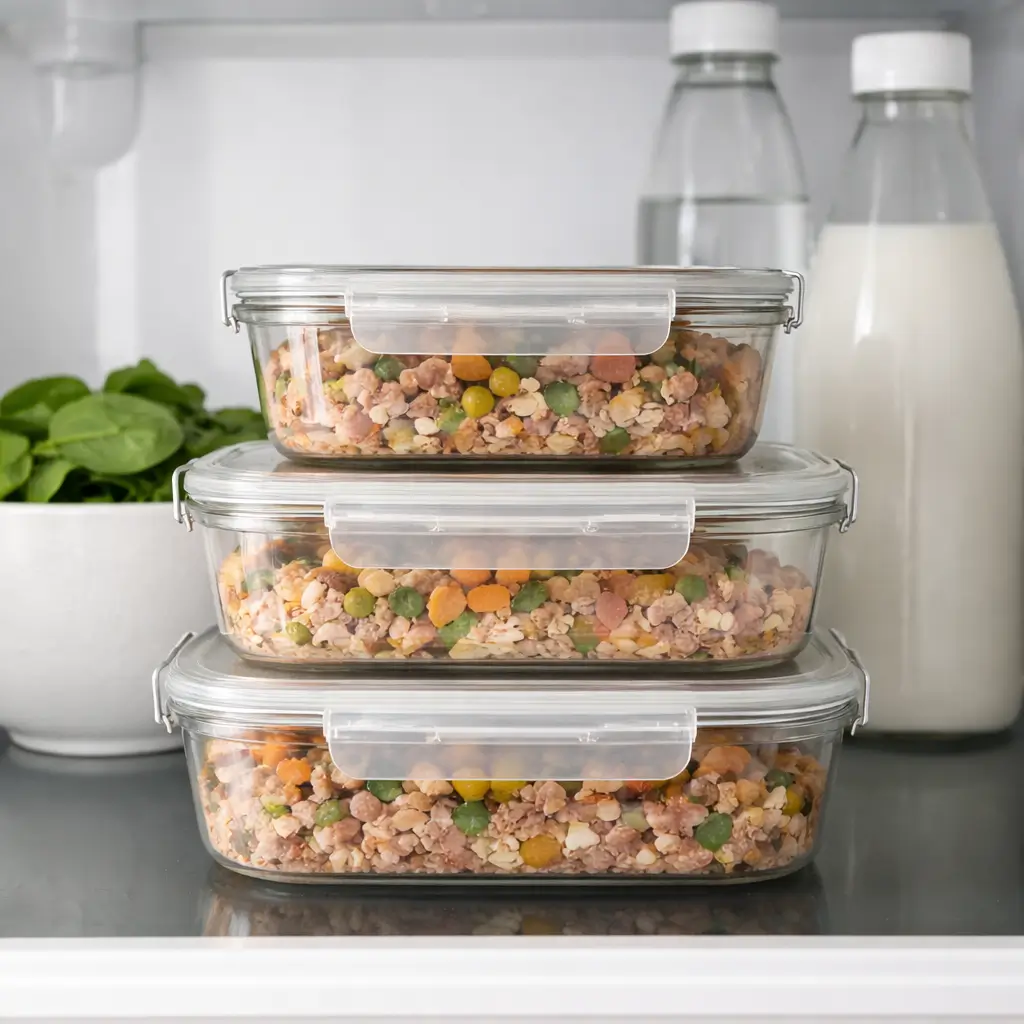
Proper storage ensures your carefully prepared meals remain safe and nutritious.
Refrigeration Guidelines
Fresh homemade cat food stays safe in the refrigerator for up to three days. Store in airtight containers to prevent contamination and moisture loss.
Freezing Best Practices
Portion meals into individual servings before freezing. This prevents repeated thawing and refreezing, which degrades quality and safety.
Use freezer-safe containers or bags, removing as much air as possible. Properly stored frozen cat food maintains quality for up to three months.
Serving Temperature
Cats prefer food at approximately “mouse body temperature”—around 100°F. Cold food is less aromatic and often rejected. Warm refrigerated portions by placing the container in warm water for 5-10 minutes before serving.
Working with Your Veterinarian
Professional guidance is essential when preparing homemade cat food recipes. Your veterinarian can help in several ways.
Initial Assessment
Before starting homemade feeding, have your cat examined. Blood work establishes baseline values and identifies any conditions requiring dietary modifications.
Recipe Review
Many veterinary nutritionists review homemade recipes for completeness. This service typically costs between $50-200 but provides invaluable peace of mind.
Ongoing Monitoring
Schedule regular check-ups to ensure your cat thrives on homemade food. Annual blood work catches potential problems early.
Frequently Asked Questions About Homemade Cat Food
Is homemade cat food cheaper than commercial options?
Cost varies significantly based on ingredient choices. Using conventional proteins and bulk supplements can match or beat premium commercial food costs. However, if you choose organic, free-range ingredients, expenses increase substantially.
Can I feed my cat a vegetarian diet?
No. Cats are obligate carnivores and cannot survive on plant-based diets. They lack the enzymes to derive necessary nutrients from plant sources. Attempting vegetarian feeding causes severe malnutrition and can be fatal.
How much homemade food should I feed my cat?
The average adult cat needs between 20 and 30 calories for each pound of body weight on a daily basis. For example, a cat weighing 10 pounds generally requires around 200 to 250 calories daily, split across two to three separate feedings.Adjust based on your cat’s weight maintenance.
Can I prepare raw food instead of cooked?
Raw feeding is controversial. While some advocates report benefits, raw diets carry risks of bacterial contamination (Salmonella, E. coli) and parasites. If you choose raw feeding, source meat carefully and follow stringent food safety protocols.
Your Journey to Healthier Cat Nutrition Begins Now
Learning how to make cat food recipes is a rewarding journey that deepens your connection with your feline companion while providing them with optimal nutrition. Throughout this guide, we’ve explored the fundamentals of feline nutrition, essential safety considerations, practical recipes, and tips for successful implementation.
Remember that homemade feeding requires commitment: careful ingredient selection, proper supplementation, safe handling, and ongoing veterinary oversight. When done correctly, preparing nutritious cat snacks and complete meals at home offers unparalleled control over your cat’s diet and can contribute to their long-term health and happiness.
Start slowly, educate yourself thoroughly, and always prioritize your cat’s individual needs. With patience and dedication, you’ll master the art of creating delicious, healthy homemade meals that your cat will eagerly anticipate at every feeding time. Your efforts demonstrate the deepest form of love—nourishing those who depend on us with intention, care, and the very best we can provide.
Disclaimer: This article provides general information about preparing homemade cat food and should not replace professional veterinary advice. Always consult your veterinarian before making significant changes to your cat’s diet, especially if your cat has existing health conditions.
What Did You Think of Our Recipe ?
Scrollable
Top 7 Healthy Cat Treats: Delicious Homemade Recipes

Top 20 Halloween Names for Cats You’ve Never Heard of Before

Meow-velous Halloween Cat Names for Your Feline
Is Blue Buffalo Good for Cats?
can cats have pumpkin & is it safe? Safety Guide