
Top 5 Natural and Easy-to-Prepare Cat Food Recipes
Every cat parent knows that moment of pure love when your feline companion looks up at you with those trusting eyes. I remember watching my rescue cat, Luna, struggle with store-bought food that seemed to upset her stomach. That’s when I discovered the magic of homemade cat food recipes – a game-changing approach to feline nutrition that transformed her health and our bond.
Table of Contents
Creating your own cat food recipes isn’t just about feeding your pet. It’s about providing tailored nutrition that speaks directly to your cat’s unique needs. Homemade cat food allows you to control every ingredient, ensuring your furry friend receives the highest quality meals possible.
This guide will walk you through simple, nutritious cat food recipes that are easy to prepare and packed with the essential nutrients your feline friend craves. Whether you’re a seasoned pet chef or a curious cat owner, these homemade cat food recipes will revolutionize the way you think about your cat’s diet.
Key Takeaways
- Homemade cat food offers complete nutritional control
- Fresh ingredients provide superior nutrition
- Easy recipes can be prepared in your home kitchen
- Tailored meals support your cat’s specific health needs
- Cooking for your cat strengthens your bond
Understanding the Benefits of Homemade Cat Food
Making healthy cat meals at home is a great way to care for your pet. It lets you control what your cat eats, ensuring every meal is full of quality and love.
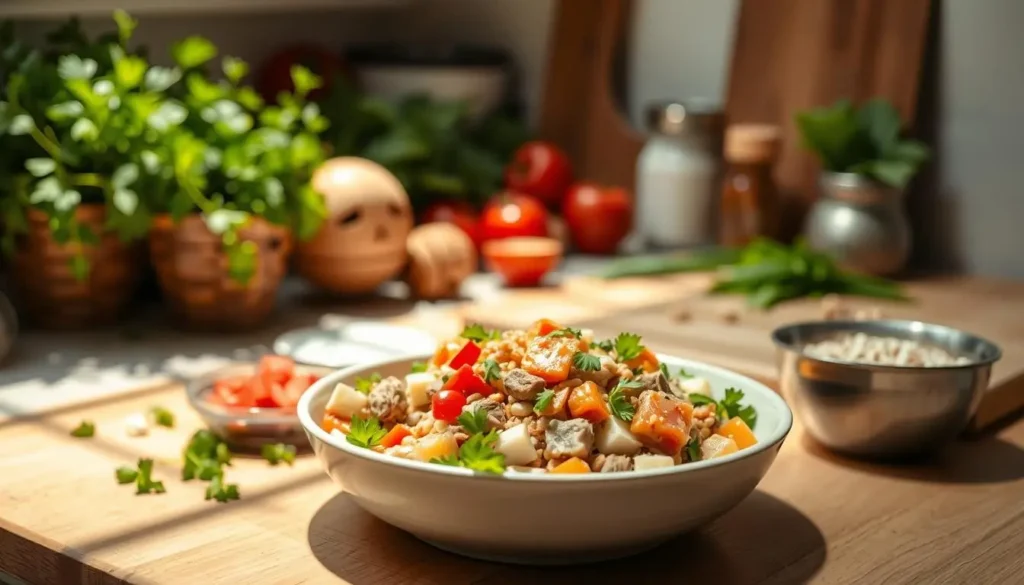
Preparing your cat’s food is more than just cooking. It’s a big step towards keeping your pet healthy and happy. Let’s look at why making meals at home is so beneficial.
Quality Control and Ingredient Transparency
Homemade cat food lets you know exactly what your cat eats. Unlike commercial foods, which can have hidden ingredients, you choose every part of your cat’s meal.
- Select premium, fresh ingredients
- Avoid artificial preservatives
- Control protein and nutrient levels
- Eliminate unnecessary additives
Cost-Effectiveness of DIY Cat Meals
Many think homemade cat food is expensive, but it can actually save you money. Buying ingredients in bulk and planning meals can cut costs while improving nutrition.
| Expense Category | Commercial Food | Homemade Food |
|---|---|---|
| Monthly Cost | $50-$100 | $30-$60 |
| Ingredient Quality | Standard | Premium |
| Customization | Limited | Complete |
Health Advantages of Fresh Ingredients
Fresh ingredients are better for your cat than processed foods. Homemade cat food lets you add top-quality proteins, vitamins, and minerals. This helps keep your cat healthy and happy for a long time.
- Enhanced digestibility
- Improved coat and skin health
- Better weight management
- Increased energy levels
Essential Nutrients Your Cat Needs in Homemade Meals
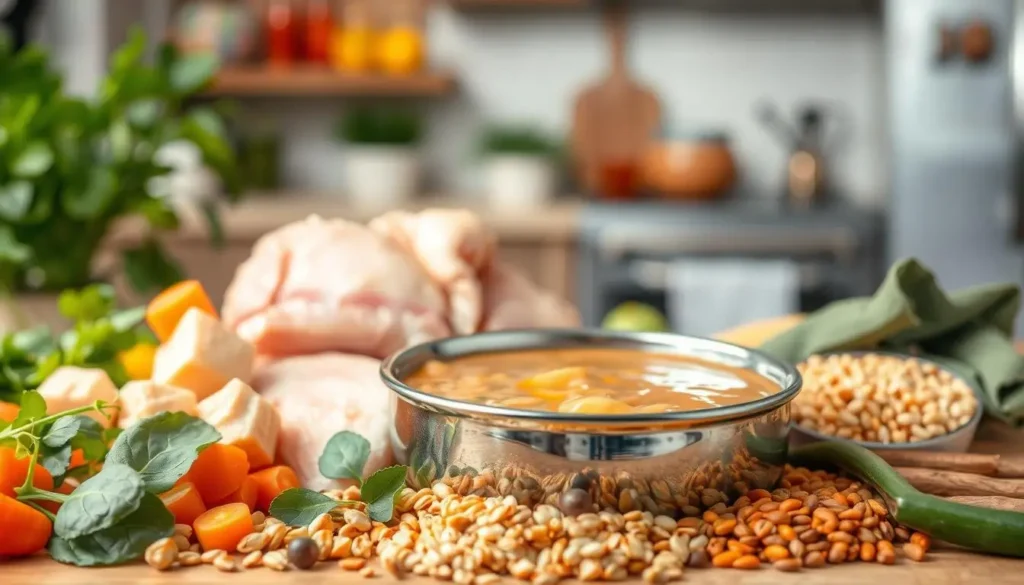
Making healthy meals for your cat is important. Cats need lots of protein because they are meat-eaters. Knowing what nutrients they need helps keep them healthy and full of energy.
Protein is key in your cat’s diet. They need animal proteins that have all the amino acids. Good protein sources are:
- Chicken
- Turkey
- Fish
- Beef
Cats also need other nutrients for health. Here’s a list of what they need:
| Nutrient | Purpose | Recommended Sources |
|---|---|---|
| Taurine | Heart and eye health | Organ meats, fish |
| Fatty Acids | Skin and coat health | Fish oil, chicken fat |
| Vitamins A, D, E | Immune system support | Liver, egg yolks |
| Calcium | Bone and teeth strength | Ground bone, calcium supplements |
Making healthy meals for your cat needs careful planning. It’s best to talk to a vet to make sure your cat gets everything they need. Every cat is different, based on their age, weight, and health.
Using commercial supplements can help make sure your cat gets all the nutrients they need. Always add new foods slowly and watch how your cat reacts to them.
Kitchen Tools and Equipment for Making Cat Food
Preparing homemade cat food needs specific tools. This ensures your cat gets nutritious and safe meals. You must focus on the right equipment, storage, and cleaning to keep the food quality high.
Essential Appliances for Homemade Cat Food
Starting with the right tools is key to making great homemade cat food. You’ll need these appliances for the best results:
- High-powered food processor or meat grinder
- Digital kitchen scale for precise measurements
- Sharp cutting boards (separate for meat and vegetables)
- Meat thermometer
- Blender for creating smooth ingredient mixtures
Storage and Portion Control Solutions
Keeping your homemade cat food fresh is important. Use high-quality containers for storage and portion control. This helps keep the food safe and fresh.
| Container Type | Benefits | Recommended Use |
|---|---|---|
| Glass Storage Containers | Non-porous, easy to clean | Short-term refrigeration |
| Freezer-Safe Plastic Containers | Lightweight, stackable | Long-term freezer storage |
| Portion Control Containers | Pre-measured servings | Daily meal planning |
Safety and Sanitization Essentials
Keeping your kitchen clean is crucial when making homemade cat food. Use these tools to protect your cat’s health:
- Disposable gloves
- Antibacterial kitchen cleaner
- Separate cutting surfaces
- Stainless steel utensils
- Sanitizing spray for work surfaces
With these tools, you’ll have a safe and efficient kitchen. This will help you make nutritious homemade cat food. Your cat will stay healthy and happy.
Safe Ingredients and Foods to Avoid
When making homemade meals for your cat, it’s key to know what’s safe. Not all human foods are good for cats, and some can harm them. Your cat needs special foods to stay healthy.
Cats need to eat mostly animal proteins because they are meat-eaters. Use lean meats like chicken, turkey, and fish in your recipes. These foods help your cat’s muscles and overall health.
- Safe protein sources:
- Chicken (boneless, skinless)
- Turkey
- Lean beef
- Fish (salmon, tuna)
- Foods to strictly avoid:
- Onions and garlic
- Chocolate
- Grapes and raisins
- Raw eggs
- Caffeine
Using organic ingredients can add extra health benefits. Choose organic meats without antibiotics or hormones. Replace grains with sweet potatoes or pumpkin to keep meals balanced.
Always talk to a vet before changing your cat’s diet. They can help make sure your homemade meals are safe and right for your cat’s needs.
Cat Food Recipes That Your Feline Will Love
Creating healthy cat meals at home is rewarding for pet owners. Homemade cat food lets you choose ingredients and ensure nutrition. It also adds variety to your cat’s diet. These recipes will make meals your cat will love.
It’s important to balance nutrition and taste when making homemade cat food. Cats need specific nutrients for their health. Each recipe below provides essential proteins, vitamins, and minerals for your cat’s well-being.
Chicken and Fish Blend
- Ingredients:
- Boneless chicken breast
- Canned sardines in water
- Cooked pumpkin
- Fish oil supplement
- Preparation steps:
- Cook chicken thoroughly
- Mash sardines
- Mix ingredients
- Add fish oil supplement
Turkey and Vegetable Mix
- Ingredients:
- Lean ground turkey
- Steamed carrots
- Cooked brown rice
- Egg yolk
- Preparation steps:
- Brown turkey meat
- Steam vegetables
- Combine all ingredients
- Cool before serving
Salmon Delight Recipe
- Ingredients:
- Wild-caught salmon
- Sweet potato
- Spinach leaves
- Salmon oil
- Preparation steps:
- Bake salmon
- Mash sweet potato
- Chop spinach finely
- Mix all ingredients
Start introducing new recipes slowly and watch your cat’s reaction. Always check with your vet to make sure these meals are right for your cat.
Storage Tips and Meal Preparation Guidelines
Making healthy cat food means you need to store it right. This keeps the food fresh and safe for your cat. It’s all about keeping the nutrients in and bacteria out.
Storing homemade cat food right is key to keeping it fresh and full of nutrients. Follow these tips to keep your cat’s meals tasty and safe.
Refrigeration and Storage Best Practices
- Store fresh homemade cat food in airtight glass or BPA-free plastic containers
- Refrigerate prepared meals at 40°F or below
- Use refrigerated homemade cat food within 3-4 days
- Label containers with preparation date for easy tracking
Freezing Techniques for Extended Storage
Freezing is a great way to keep your cat’s food fresh for longer. Divide meals into single servings before freezing. This makes thawing easier.
| Storage Method | Maximum Storage Time | Recommended Use |
|---|---|---|
| Refrigerator | 3-4 days | Short-term storage |
| Freezer | 2-3 months | Long-term preservation |
Thawing and Serving Guidelines
- Thaw frozen homemade cat food in the refrigerator overnight
- Never use microwave to defrost to prevent nutrient loss
- Discard any food left out at room temperature for more than 2 hours
- Warm food to room temperature before serving
By sticking to these storage tips, your homemade cat food will stay fresh and nutritious. Your cat will thank you for it.
Transitioning Your Cat to Homemade Food
Changing your cat’s diet to homemade meals needs patience and a careful plan. It’s important to make sure your cat gets all the nutrients they need. This helps avoid any upset stomachs.
When you start giving your cat homemade food, do it slowly. Their body needs time to get used to new foods and nutrients.
Gradual Introduction Methods
- Start by mixing 25% homemade food with 75% current diet
- Slowly increase homemade food percentage over 7-10 days
- Watch for any signs of digestive discomfort
- Maintain consistent feeding times
Monitoring Your Cat’s Response
It’s important to watch how your cat reacts to new food. Look for these signs of a good transition:
- Consistent energy levels
- Normal appetite
- Regular bathroom habits
- Healthy coat and skin condition
Always talk to your vet during this time. They can help make sure your cat’s food is right. Every cat is different, so they need special care.
Common Mistakes to Avoid When Making Cat Food
Making homemade cat food can be tough for pet owners. You might make mistakes that harm your cat’s health. Knowing these mistakes helps you make safe and balanced food for your cat.
One big mistake is not balancing the nutrients. Cats need different nutrients than humans. Without the right research, you might miss out on important vitamins and minerals.
- Ignoring protein requirements for cats
- Neglecting taurine supplementation
- Using inappropriate ingredient proportions
- Skipping veterinary consultation
- Poor food handling and storage practices
Experts say to talk to a vet before making homemade cat food. They can help you make sure your cat gets all the nutrients they need.
| Mistake | Potential Consequences | Prevention Strategy |
|---|---|---|
| Nutrient Imbalance | Malnutrition, health complications | Consult veterinary nutritionist |
| Incorrect Protein Levels | Muscle weakness, metabolism issues | Measure protein content carefully |
| Inadequate Taurine | Heart and vision problems | Add taurine supplements |
Switching to homemade cat food needs patience and planning. Start slowly and watch how your cat reacts to the new food.
Incorporating Supplements in DIY Cat Meals
When you make raw food for cats, knowing what supplements they need is key. Your homemade meals might not have all the nutrients that store-bought food does. Vets suggest picking the right supplements to fill any gaps.
Taurine is a must for cats. They can’t make it themselves and need it from their food. Without enough taurine, cats can get heart and eye problems. Calcium and vitamins are also vital for strong bones and a healthy immune system.
Before adding supplements, talk to your vet. They can check your cat’s blood to see what they need. Every cat is different, so a vet’s advice is crucial to avoid too much or too little of anything.
Choosing the right supplements is important. Pick ones made for cats, not for humans. Start with a little and watch how your cat reacts. Then, adjust as your vet advises to make sure your cat’s diet is safe and healthy.